Ballistic Missiles Explained: How Long-Range Missile Systems Work
Ballistic Missiles Explained: How Long-Range Missile Systems Work is best read as a practical explainer, not a slogan or a ranking. The useful version of the topic starts with capability, limits, support demands, and the way technology shapes choices, then connects those pieces to people, equipment, geography, and command judgment. For Defense Street readers, Ballistic Missiles matters because it shows how modern defense work depends on systems that must perform under pressure, not just on the part that looks most dramatic from the outside.
What the Topic Really Means
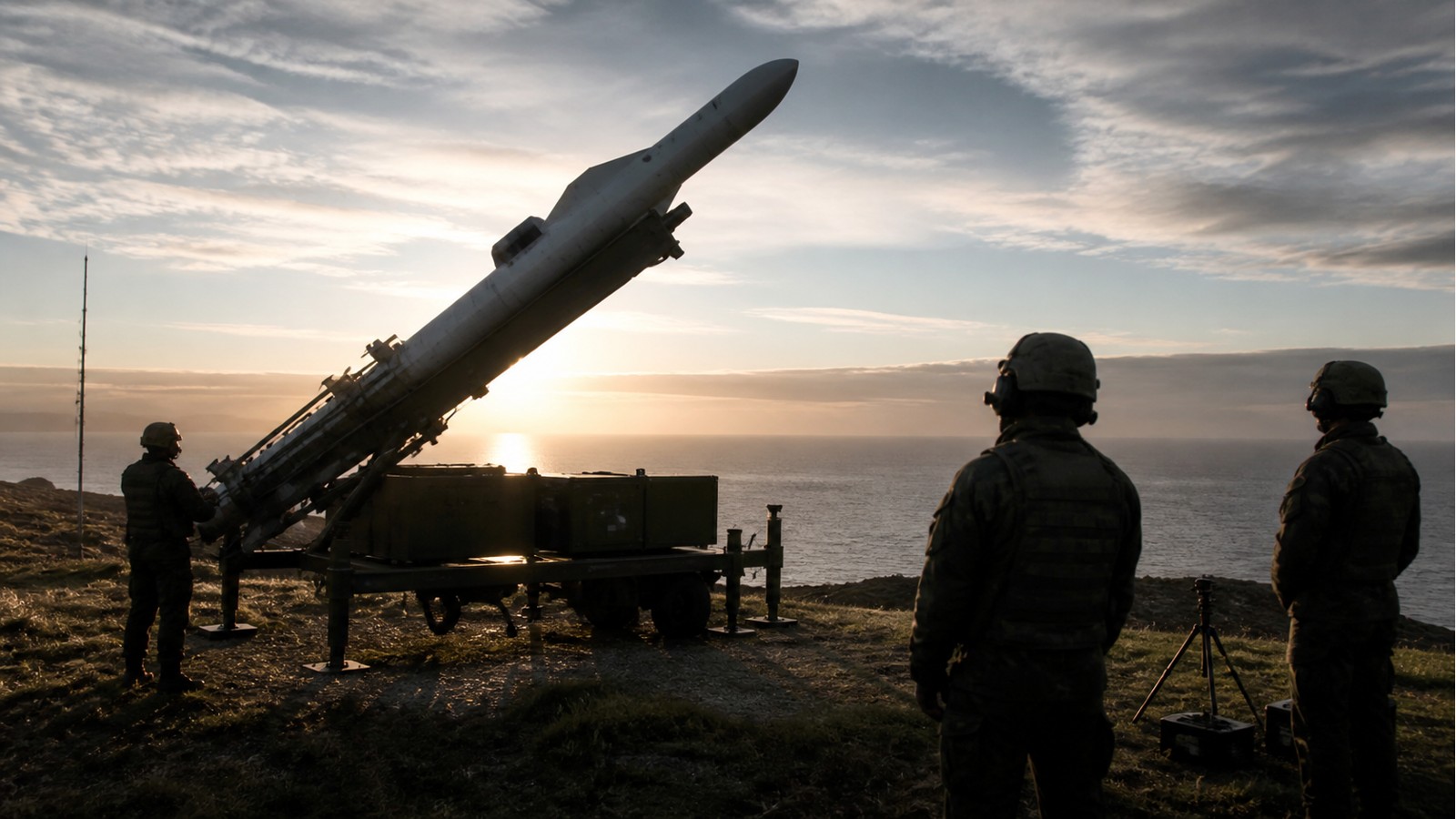
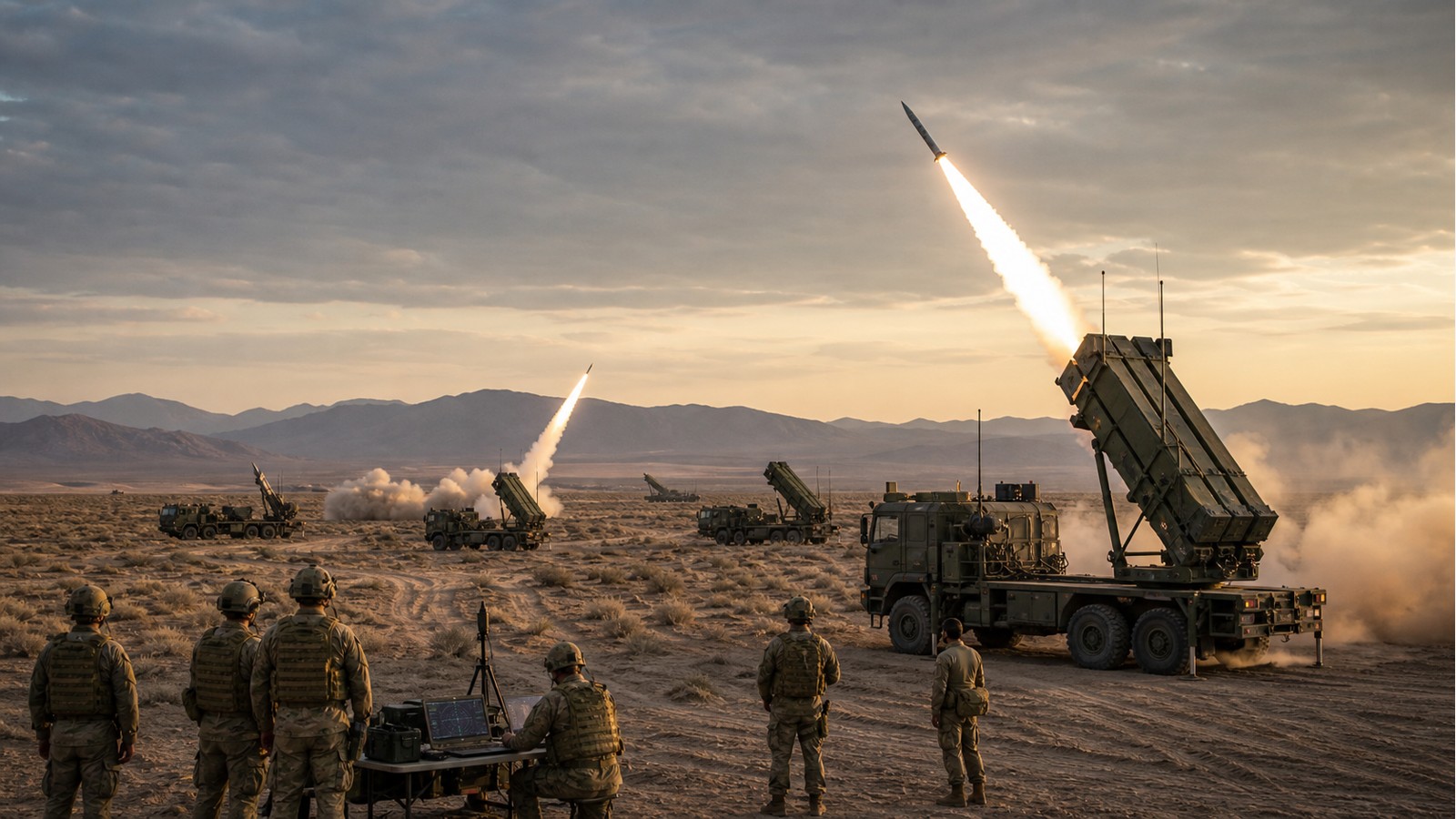
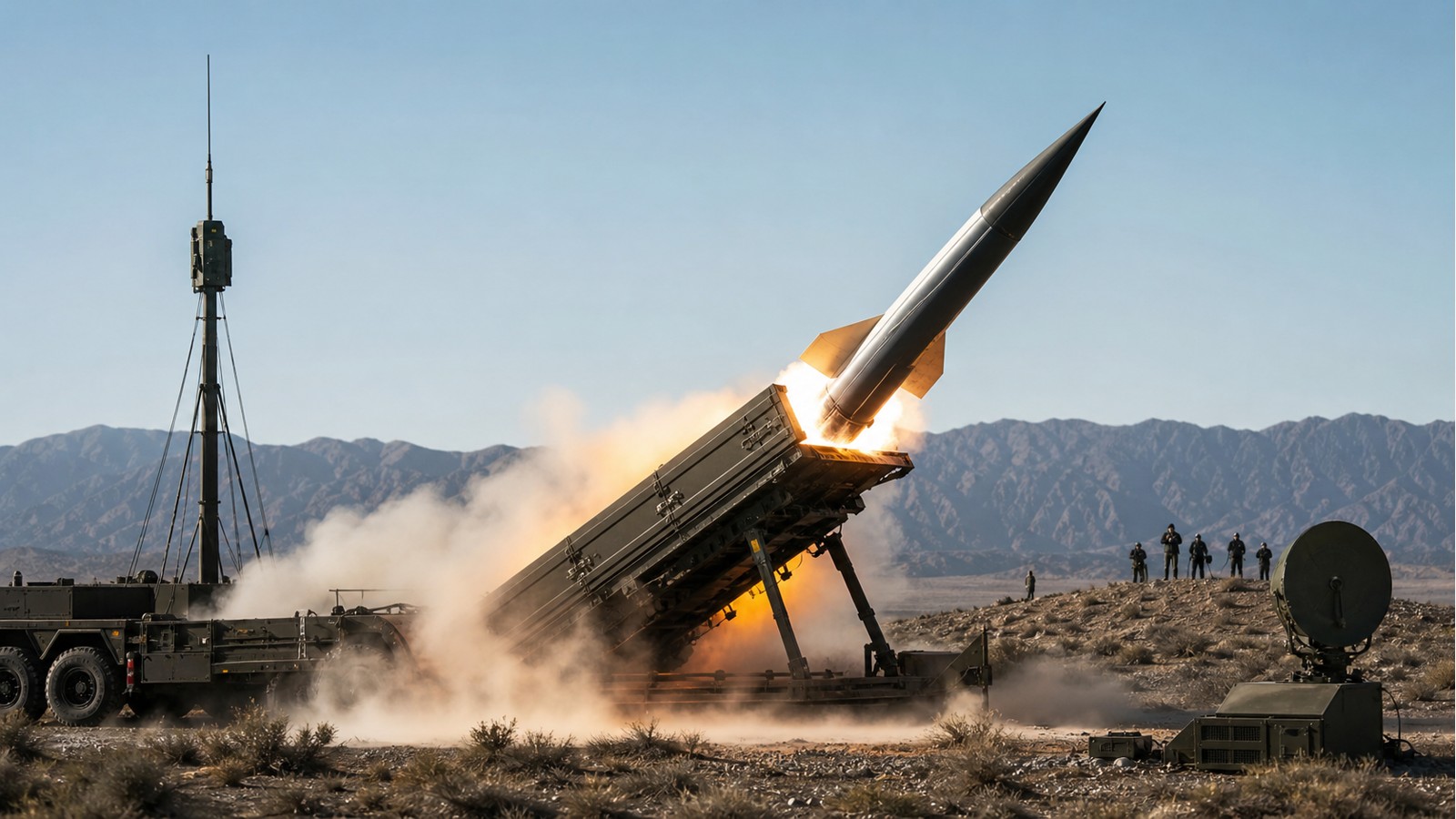
Ballistic missiles are long-range weapons that are powered during launch and then follow a ballistic path for much of their flight. Their range, payload, speed, and trajectory make them central to deterrence and missile defense.
The basic flight is often described in three phases: boost, midcourse, and terminal. Each phase creates different detection, tracking, and interception challenges.
For Ballistic Missiles Explained: How Long-Range Missile Systems Work, the what the topic really means angle is strongest when it connects missile flight and deterrence to organization, training, logistics, and accountability. Defense topics are rarely explained by one impressive number, because the result depends on people, doctrine, maintenance, communications, and support systems working together.
In the what the topic really means section, missile flight and deterrence also needs plain context. A capability can look powerful on paper while still depending on readiness, terrain, policy, command judgment, and the mission it is assigned to support.
The what the topic really means view also helps separate public fascination from military reality. Readers get a clearer picture when missile flight and deterrence is tied to disciplined training, lawful authority, maintenance cycles, and the larger unit that turns an individual capability into useful defense power.
A strong explanation of what the topic really means keeps the focus on judgment rather than spectacle. The useful questions are what the capability is for, who is responsible for it, what limits shape its use, and how it supports a mission without becoming the whole story.
Why It Matters in Defense
Ballistic missiles matter because they can threaten targets at long distance with very little warning. They influence military planning, crisis stability, alliances, deterrence, and arms-control debates.
They also matter because missile defense is difficult. A defender has to detect the launch, track the missile, classify the threat, decide, and attempt interception under severe time pressure.
For Ballistic Missiles Explained: How Long-Range Missile Systems Work, the why it matters in defense angle is strongest when it connects missile flight and deterrence to organization, training, logistics, and accountability. Defense topics are rarely explained by one impressive number, because the result depends on people, doctrine, maintenance, communications, and support systems working together.
In the why it matters in defense section, missile flight and deterrence also needs plain context. A capability can look powerful on paper while still depending on readiness, terrain, policy, command judgment, and the mission it is assigned to support.
The why it matters in defense view also helps separate public fascination from military reality. Readers get a clearer picture when missile flight and deterrence is tied to disciplined training, lawful authority, maintenance cycles, and the larger unit that turns an individual capability into useful defense power.
A strong explanation of why it matters in defense keeps the focus on judgment rather than spectacle. The useful questions are what the capability is for, who is responsible for it, what limits shape its use, and how it supports a mission without becoming the whole story.
The Main Parts to Understand
The main parts include the booster, guidance system, payload or reentry vehicle, staging, fuel type, launch platform, command authority, tracking network, and warning architecture.
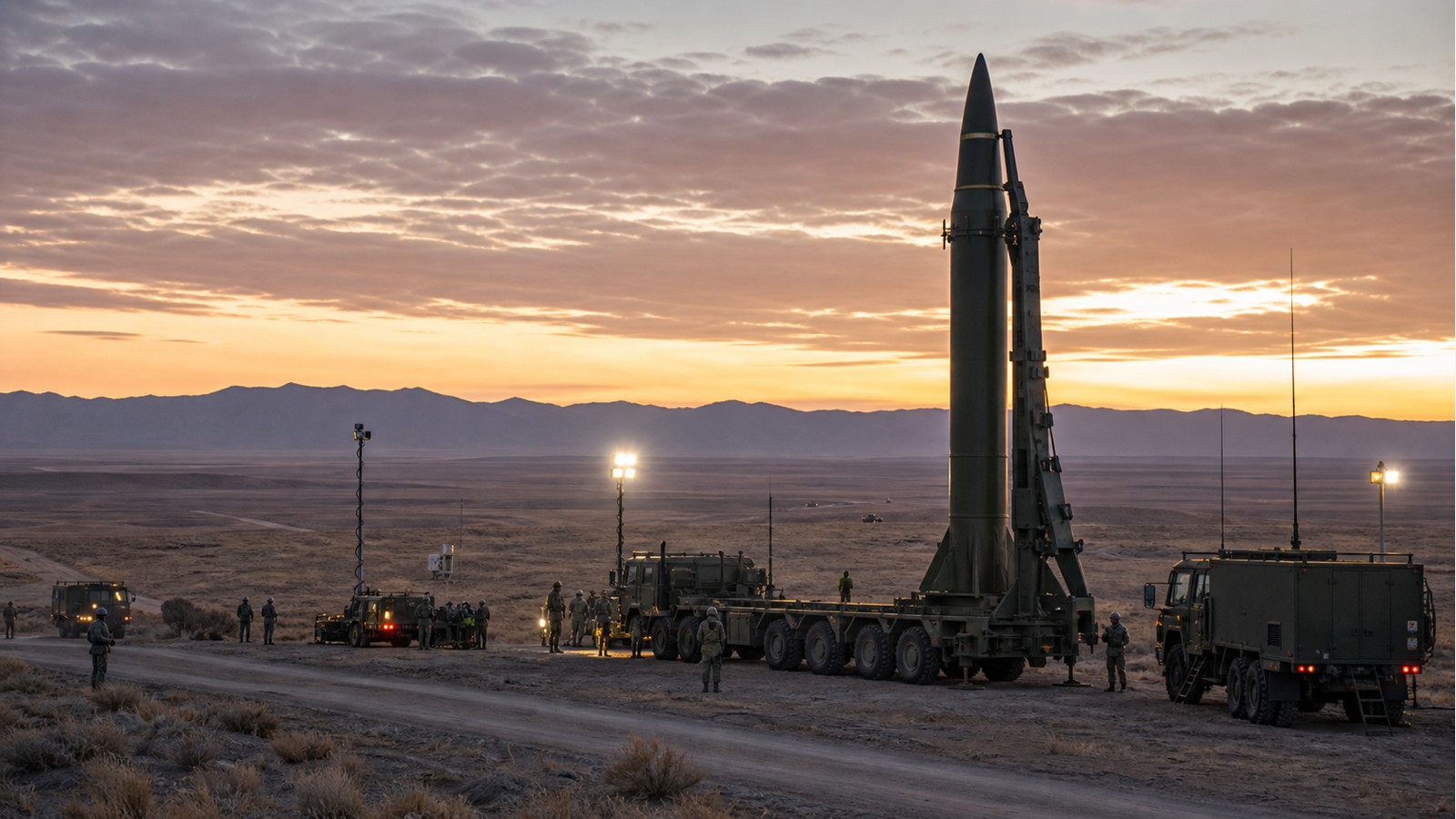
Missiles may be launched from land, mobile launchers, submarines, or other platforms depending on the country’s force design and strategic goals.
For Ballistic Missiles Explained: How Long-Range Missile Systems Work, the the main parts to understand angle is strongest when it connects missile flight and deterrence to organization, training, logistics, and accountability. Defense topics are rarely explained by one impressive number, because the result depends on people, doctrine, maintenance, communications, and support systems working together.
In the the main parts to understand section, missile flight and deterrence also needs plain context. A capability can look powerful on paper while still depending on readiness, terrain, policy, command judgment, and the mission it is assigned to support.
The the main parts to understand view also helps separate public fascination from military reality. Readers get a clearer picture when missile flight and deterrence is tied to disciplined training, lawful authority, maintenance cycles, and the larger unit that turns an individual capability into useful defense power.
A strong explanation of the main parts to understand keeps the focus on judgment rather than spectacle. The useful questions are what the capability is for, who is responsible for it, what limits shape its use, and how it supports a mission without becoming the whole story.
How to Read the Claims
Claims about ballistic missiles should avoid simple range charts as the whole story. Accuracy, payload, survivability, readiness, command control, and political signaling all matter.
A responsible explanation also avoids operational launch guidance. The useful public focus is how missile systems shape deterrence, defense, and strategic risk.
For Ballistic Missiles Explained: How Long-Range Missile Systems Work, the how to read the claims angle is strongest when it connects missile flight and deterrence to organization, training, logistics, and accountability. Defense topics are rarely explained by one impressive number, because the result depends on people, doctrine, maintenance, communications, and support systems working together.
In the how to read the claims section, missile flight and deterrence also needs plain context. A capability can look powerful on paper while still depending on readiness, terrain, policy, command judgment, and the mission it is assigned to support.
The how to read the claims view also helps separate public fascination from military reality. Readers get a clearer picture when missile flight and deterrence is tied to disciplined training, lawful authority, maintenance cycles, and the larger unit that turns an individual capability into useful defense power.
A strong explanation of how to read the claims keeps the focus on judgment rather than spectacle. The useful questions are what the capability is for, who is responsible for it, what limits shape its use, and how it supports a mission without becoming the whole story.
Where People Get Confused
One confusion is mixing ballistic missiles with cruise missiles. Ballistic missiles follow a high arc after boost; cruise missiles fly more like pilotless aircraft through the atmosphere.
Another confusion is assuming missile defense works the same in every phase. Boost-phase, midcourse, and terminal defense each face different physics and timing problems.
For Ballistic Missiles Explained: How Long-Range Missile Systems Work, the where people get confused angle is strongest when it connects missile flight and deterrence to organization, training, logistics, and accountability. Defense topics are rarely explained by one impressive number, because the result depends on people, doctrine, maintenance, communications, and support systems working together.
In the where people get confused section, missile flight and deterrence also needs plain context. A capability can look powerful on paper while still depending on readiness, terrain, policy, command judgment, and the mission it is assigned to support.
The where people get confused view also helps separate public fascination from military reality. Readers get a clearer picture when missile flight and deterrence is tied to disciplined training, lawful authority, maintenance cycles, and the larger unit that turns an individual capability into useful defense power.
A strong explanation of where people get confused keeps the focus on judgment rather than spectacle. The useful questions are what the capability is for, who is responsible for it, what limits shape its use, and how it supports a mission without becoming the whole story.
Real-World Context
Missile defense discussions often focus on the three flight phases because the defender’s options change as the missile climbs, travels through space or near-space, and reenters toward a target.
Modern concerns include maneuvering reentry vehicles, decoys, hypersonic glide vehicles, mobile launchers, submarine-launched missiles, and the risk of miscalculation in a crisis.
For Ballistic Missiles Explained: How Long-Range Missile Systems Work, the real-world context angle is strongest when it connects missile flight and deterrence to organization, training, logistics, and accountability. Defense topics are rarely explained by one impressive number, because the result depends on people, doctrine, maintenance, communications, and support systems working together.
In the real-world context section, missile flight and deterrence also needs plain context. A capability can look powerful on paper while still depending on readiness, terrain, policy, command judgment, and the mission it is assigned to support.
The real-world context view also helps separate public fascination from military reality. Readers get a clearer picture when missile flight and deterrence is tied to disciplined training, lawful authority, maintenance cycles, and the larger unit that turns an individual capability into useful defense power.
A strong explanation of real-world context keeps the focus on judgment rather than spectacle. The useful questions are what the capability is for, who is responsible for it, what limits shape its use, and how it supports a mission without becoming the whole story.
Limits, Risks, and Tradeoffs
The limits of missile systems include cost, reliability, command security, vulnerability before launch, escalation risk, arms-control pressure, and the danger of false warning.
The limits of missile defense include sensor coverage, interceptor inventory, discrimination of real warheads from decoys, geography, and the short time available to make decisions.
For Ballistic Missiles Explained: How Long-Range Missile Systems Work, the limits, risks, and tradeoffs angle is strongest when it connects missile flight and deterrence to organization, training, logistics, and accountability. Defense topics are rarely explained by one impressive number, because the result depends on people, doctrine, maintenance, communications, and support systems working together.
In the limits, risks, and tradeoffs section, missile flight and deterrence also needs plain context. A capability can look powerful on paper while still depending on readiness, terrain, policy, command judgment, and the mission it is assigned to support.
The limits, risks, and tradeoffs view also helps separate public fascination from military reality. Readers get a clearer picture when missile flight and deterrence is tied to disciplined training, lawful authority, maintenance cycles, and the larger unit that turns an individual capability into useful defense power.
A strong explanation of limits, risks, and tradeoffs keeps the focus on judgment rather than spectacle. The useful questions are what the capability is for, who is responsible for it, what limits shape its use, and how it supports a mission without becoming the whole story.
How the Topic Is Changing
Ballistic missile competition is changing through better sensors, space-based tracking, missile defense upgrades, hypersonic systems, and new regional missile threats.
At the same time, deterrence still depends on communication, restraint, command discipline, and the belief that leaders understand the consequences of use.
For Ballistic Missiles Explained: How Long-Range Missile Systems Work, the how the topic is changing angle is strongest when it connects missile flight and deterrence to organization, training, logistics, and accountability. Defense topics are rarely explained by one impressive number, because the result depends on people, doctrine, maintenance, communications, and support systems working together.
In the how the topic is changing section, missile flight and deterrence also needs plain context. A capability can look powerful on paper while still depending on readiness, terrain, policy, command judgment, and the mission it is assigned to support.
The how the topic is changing view also helps separate public fascination from military reality. Readers get a clearer picture when missile flight and deterrence is tied to disciplined training, lawful authority, maintenance cycles, and the larger unit that turns an individual capability into useful defense power.
A strong explanation of how the topic is changing keeps the focus on judgment rather than spectacle. The useful questions are what the capability is for, who is responsible for it, what limits shape its use, and how it supports a mission without becoming the whole story.
A Clear Way to Remember It
A simple memory hook is boost, midcourse, terminal. A ballistic missile launches under power, travels along a high path, then descends toward the target.
When reading about missiles, ask what range class, payload, launch platform, command system, and defensive problem the article is describing.
For Ballistic Missiles Explained: How Long-Range Missile Systems Work, the a clear way to remember it angle is strongest when it connects missile flight and deterrence to organization, training, logistics, and accountability. Defense topics are rarely explained by one impressive number, because the result depends on people, doctrine, maintenance, communications, and support systems working together.
In the a clear way to remember it section, missile flight and deterrence also needs plain context. A capability can look powerful on paper while still depending on readiness, terrain, policy, command judgment, and the mission it is assigned to support.
The a clear way to remember it view also helps separate public fascination from military reality. Readers get a clearer picture when missile flight and deterrence is tied to disciplined training, lawful authority, maintenance cycles, and the larger unit that turns an individual capability into useful defense power.
A strong explanation of a clear way to remember it keeps the focus on judgment rather than spectacle. The useful questions are what the capability is for, who is responsible for it, what limits shape its use, and how it supports a mission without becoming the whole story.
Bottom Line on Ballistic Missiles
Ballistic missiles shape defense because they combine range, speed, warning pressure, and strategic risk. Understanding boost, midcourse, terminal flight, deterrence, and missile defense limits makes the subject clearer.