Historical Unit Lineages Explained: How Military Units Build Legacy Over Generations
Historical Unit Lineages Explained: How Military Units Build Legacy Over Generations is best read as a practical explainer, not a slogan or a ranking. The useful version of the topic starts with purpose, organization, limits, and the details that make the topic useful, then connects those pieces to people, equipment, geography, and command judgment. For Defense Street readers, Historical Unit Lineages matters because it shows how modern defense work depends on systems that must perform under pressure, not just on the part that looks most dramatic from the outside.
What the Topic Really Means
A military unit lineage is the official record of a unit’s identity, ancestry, designations, activations, inactivations, campaigns, honors, and major organizational changes.
Lineage gives a unit continuity across generations. It helps soldiers understand that today’s organization is connected to earlier service, sacrifice, standards, and missions.
For Historical Unit Lineages Explained: How Military Units Build Legacy Over Generations, the what the topic really means angle is strongest when it connects military heritage and continuity to organization, training, logistics, and accountability. Defense topics are rarely explained by one impressive number, because the result depends on people, doctrine, maintenance, communications, and support systems working together.
In the what the topic really means section, military heritage and continuity also needs plain context. A capability can look powerful on paper while still depending on readiness, terrain, policy, command judgment, and the mission it is assigned to support.
The what the topic really means view also helps separate public fascination from military reality. Readers get a clearer picture when military heritage and continuity is tied to disciplined training, lawful authority, maintenance cycles, and the larger unit that turns an individual capability into useful defense power.
A strong explanation of what the topic really means keeps the focus on judgment rather than spectacle. The useful questions are what the capability is for, who is responsible for it, what limits shape its use, and how it supports a mission without becoming the whole story.
Why It Matters in Defense
Unit lineage matters because military identity is not built only from current equipment or commanders. Traditions, honors, symbols, and inherited responsibilities shape morale and professionalism.
It also matters for historical accuracy. The Army Center of Military History prepares lineage and honors records so units can understand what they officially inherit and what they do not.
For Historical Unit Lineages Explained: How Military Units Build Legacy Over Generations, the why it matters in defense angle is strongest when it connects military heritage and continuity to organization, training, logistics, and accountability. Defense topics are rarely explained by one impressive number, because the result depends on people, doctrine, maintenance, communications, and support systems working together.
In the why it matters in defense section, military heritage and continuity also needs plain context. A capability can look powerful on paper while still depending on readiness, terrain, policy, command judgment, and the mission it is assigned to support.
The why it matters in defense view also helps separate public fascination from military reality. Readers get a clearer picture when military heritage and continuity is tied to disciplined training, lawful authority, maintenance cycles, and the larger unit that turns an individual capability into useful defense power.
A strong explanation of why it matters in defense keeps the focus on judgment rather than spectacle. The useful questions are what the capability is for, who is responsible for it, what limits shape its use, and how it supports a mission without becoming the whole story.
The Main Parts to Understand
The main parts include constitution, activation, redesignation, consolidation, campaign participation, decorations, streamers, distinctive insignia, motto, and official honors.
A lineage record may show that a unit changed names, joined another formation, moved between components, or carried honors from earlier organizations.
For Historical Unit Lineages Explained: How Military Units Build Legacy Over Generations, the the main parts to understand angle is strongest when it connects military heritage and continuity to organization, training, logistics, and accountability. Defense topics are rarely explained by one impressive number, because the result depends on people, doctrine, maintenance, communications, and support systems working together.
In the the main parts to understand section, military heritage and continuity also needs plain context. A capability can look powerful on paper while still depending on readiness, terrain, policy, command judgment, and the mission it is assigned to support.
The the main parts to understand view also helps separate public fascination from military reality. Readers get a clearer picture when military heritage and continuity is tied to disciplined training, lawful authority, maintenance cycles, and the larger unit that turns an individual capability into useful defense power.
A strong explanation of the main parts to understand keeps the focus on judgment rather than spectacle. The useful questions are what the capability is for, who is responsible for it, what limits shape its use, and how it supports a mission without becoming the whole story.
How to Read the Claims
Claims about unit legacy should avoid exaggeration. A unit may be proud of its past, but official honors and documented history matter more than loose storytelling.
A useful explanation separates morale-building tradition from verified lineage, campaign credit, and institutional memory.
For Historical Unit Lineages Explained: How Military Units Build Legacy Over Generations, the how to read the claims angle is strongest when it connects military heritage and continuity to organization, training, logistics, and accountability. Defense topics are rarely explained by one impressive number, because the result depends on people, doctrine, maintenance, communications, and support systems working together.
In the how to read the claims section, military heritage and continuity also needs plain context. A capability can look powerful on paper while still depending on readiness, terrain, policy, command judgment, and the mission it is assigned to support.
The how to read the claims view also helps separate public fascination from military reality. Readers get a clearer picture when military heritage and continuity is tied to disciplined training, lawful authority, maintenance cycles, and the larger unit that turns an individual capability into useful defense power.
A strong explanation of how to read the claims keeps the focus on judgment rather than spectacle. The useful questions are what the capability is for, who is responsible for it, what limits shape its use, and how it supports a mission without becoming the whole story.
Where People Get Confused
One confusion is assuming every unit with a famous name directly inherits every past achievement associated with that name. Official lineage determines what is actually inherited.
Another confusion is treating lineage as nostalgia only. Heritage can shape standards, recruiting, ceremonies, leadership expectations, and unit cohesion.
For Historical Unit Lineages Explained: How Military Units Build Legacy Over Generations, the where people get confused angle is strongest when it connects military heritage and continuity to organization, training, logistics, and accountability. Defense topics are rarely explained by one impressive number, because the result depends on people, doctrine, maintenance, communications, and support systems working together.
In the where people get confused section, military heritage and continuity also needs plain context. A capability can look powerful on paper while still depending on readiness, terrain, policy, command judgment, and the mission it is assigned to support.
The where people get confused view also helps separate public fascination from military reality. Readers get a clearer picture when military heritage and continuity is tied to disciplined training, lawful authority, maintenance cycles, and the larger unit that turns an individual capability into useful defense power.
A strong explanation of where people get confused keeps the focus on judgment rather than spectacle. The useful questions are what the capability is for, who is responsible for it, what limits shape its use, and how it supports a mission without becoming the whole story.
Real-World Context
Lineage is especially important in armies that reorganize frequently. Units may be activated, inactivated, redesignated, or consolidated as force structure changes.
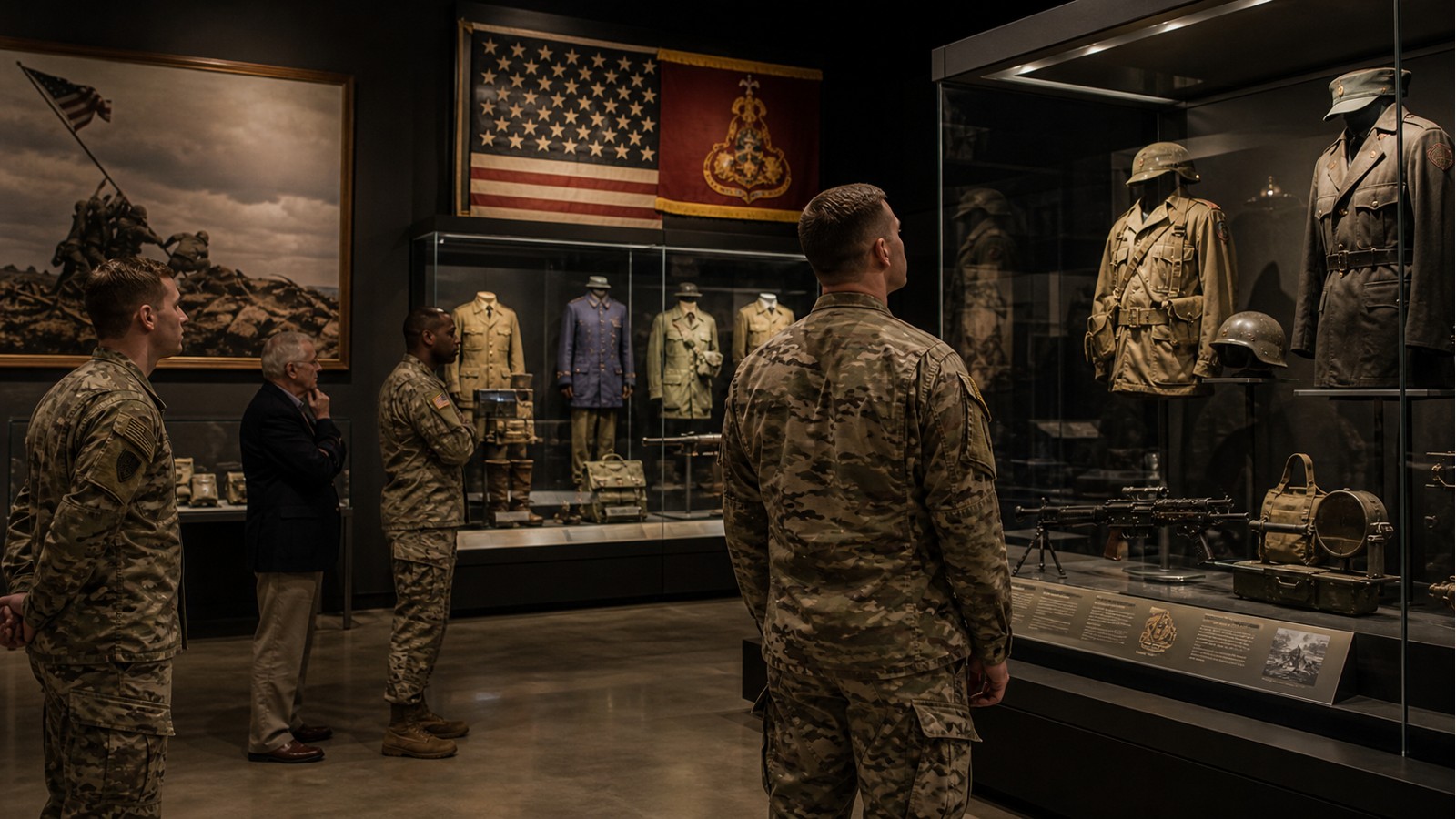
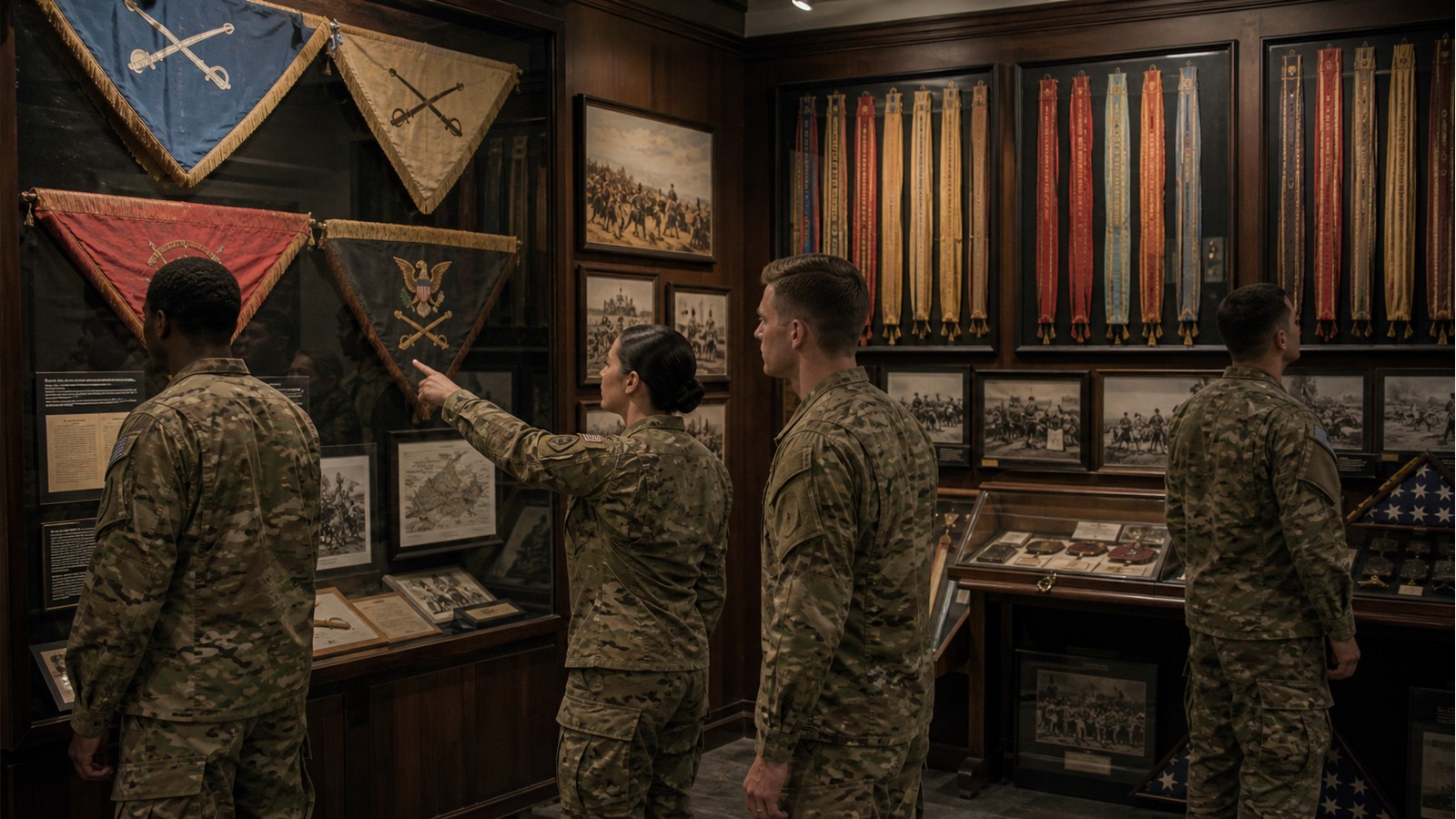
Ceremonies, colors, guidons, streamers, and insignia make lineage visible. They turn history into something soldiers see during daily service.
For Historical Unit Lineages Explained: How Military Units Build Legacy Over Generations, the real-world context angle is strongest when it connects military heritage and continuity to organization, training, logistics, and accountability. Defense topics are rarely explained by one impressive number, because the result depends on people, doctrine, maintenance, communications, and support systems working together.
In the real-world context section, military heritage and continuity also needs plain context. A capability can look powerful on paper while still depending on readiness, terrain, policy, command judgment, and the mission it is assigned to support.
The real-world context view also helps separate public fascination from military reality. Readers get a clearer picture when military heritage and continuity is tied to disciplined training, lawful authority, maintenance cycles, and the larger unit that turns an individual capability into useful defense power.
A strong explanation of real-world context keeps the focus on judgment rather than spectacle. The useful questions are what the capability is for, who is responsible for it, what limits shape its use, and how it supports a mission without becoming the whole story.
Limits, Risks, and Tradeoffs
The limits include incomplete records, reorganizations, competing claims, public misunderstanding, and the risk of turning history into myth.
A unit’s past can inspire, but it does not guarantee current readiness. Training, leadership, equipment, and discipline still decide today’s performance.
For Historical Unit Lineages Explained: How Military Units Build Legacy Over Generations, the limits, risks, and tradeoffs angle is strongest when it connects military heritage and continuity to organization, training, logistics, and accountability. Defense topics are rarely explained by one impressive number, because the result depends on people, doctrine, maintenance, communications, and support systems working together.
In the limits, risks, and tradeoffs section, military heritage and continuity also needs plain context. A capability can look powerful on paper while still depending on readiness, terrain, policy, command judgment, and the mission it is assigned to support.
The limits, risks, and tradeoffs view also helps separate public fascination from military reality. Readers get a clearer picture when military heritage and continuity is tied to disciplined training, lawful authority, maintenance cycles, and the larger unit that turns an individual capability into useful defense power.
A strong explanation of limits, risks, and tradeoffs keeps the focus on judgment rather than spectacle. The useful questions are what the capability is for, who is responsible for it, what limits shape its use, and how it supports a mission without becoming the whole story.
How the Topic Is Changing
Unit lineage work is changing as records are digitized, veterans’ histories are preserved, and public access to archives improves.
Future units may carry traditions from cyber, space, drone, and joint organizations whose histories look different from older infantry, armor, or naval lineages.
For Historical Unit Lineages Explained: How Military Units Build Legacy Over Generations, the how the topic is changing angle is strongest when it connects military heritage and continuity to organization, training, logistics, and accountability. Defense topics are rarely explained by one impressive number, because the result depends on people, doctrine, maintenance, communications, and support systems working together.
In the how the topic is changing section, military heritage and continuity also needs plain context. A capability can look powerful on paper while still depending on readiness, terrain, policy, command judgment, and the mission it is assigned to support.
The how the topic is changing view also helps separate public fascination from military reality. Readers get a clearer picture when military heritage and continuity is tied to disciplined training, lawful authority, maintenance cycles, and the larger unit that turns an individual capability into useful defense power.
A strong explanation of how the topic is changing keeps the focus on judgment rather than spectacle. The useful questions are what the capability is for, who is responsible for it, what limits shape its use, and how it supports a mission without becoming the whole story.
A Clear Way to Remember It
A simple memory hook is identity, record, honors, continuity. Lineage tells a unit where it came from and which honors it officially carries.
When reading about a unit legacy, ask what is documented, what is ceremonial, and how the tradition supports today’s standards.
For Historical Unit Lineages Explained: How Military Units Build Legacy Over Generations, the a clear way to remember it angle is strongest when it connects military heritage and continuity to organization, training, logistics, and accountability. Defense topics are rarely explained by one impressive number, because the result depends on people, doctrine, maintenance, communications, and support systems working together.
In the a clear way to remember it section, military heritage and continuity also needs plain context. A capability can look powerful on paper while still depending on readiness, terrain, policy, command judgment, and the mission it is assigned to support.
The a clear way to remember it view also helps separate public fascination from military reality. Readers get a clearer picture when military heritage and continuity is tied to disciplined training, lawful authority, maintenance cycles, and the larger unit that turns an individual capability into useful defense power.
A strong explanation of a clear way to remember it keeps the focus on judgment rather than spectacle. The useful questions are what the capability is for, who is responsible for it, what limits shape its use, and how it supports a mission without becoming the whole story.
Bottom Line on Unit Lineages
Historical unit lineages build military legacy by connecting current service to verified records, honors, traditions, and symbols. They inspire pride while keeping institutional memory anchored in documented history.