How Soldiers Prepare for Combat: Training, Fitness, and Mindset deserves its own explanation because the details around autonomous teaming, robotic scouts, and data-driven command change how the subject works in practice. This Defense Street guide uses a combat preparation guide so the topic feels concrete rather than generic.
What the Topic Really Means
Soldier preparation is a whole-person process that combines physical readiness, technical training, unit discipline, mental resilience, and trust in teammates. It is not only about strength or aggression; it is about being dependable under pressure.
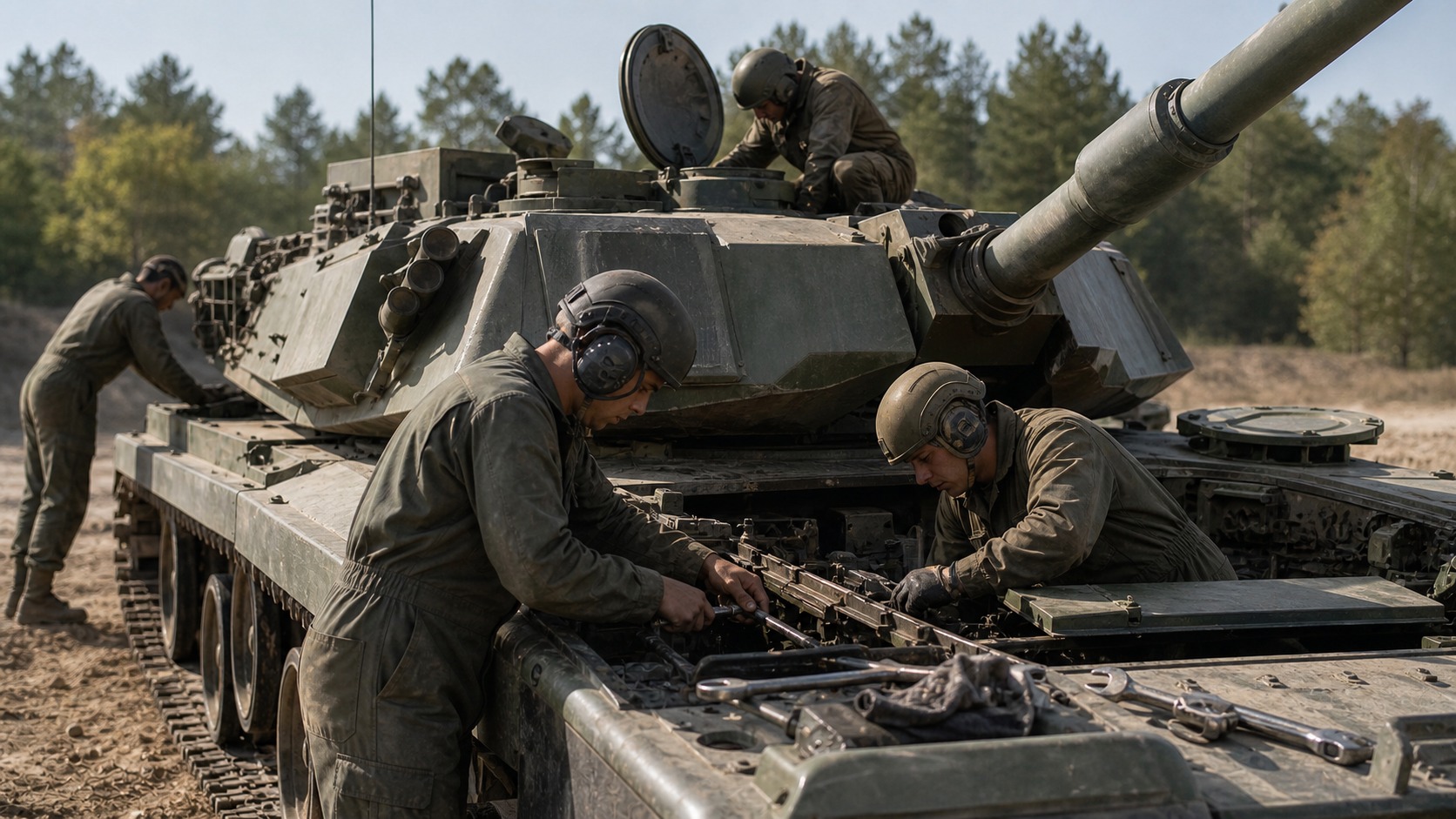
Combat preparation also happens inside a unit. Individual skills matter, but soldiers prepare through rehearsals, maintenance, communication, leader checks, medical readiness, equipment familiarity, and shared standards.
For How Soldiers Prepare for Combat: Training, Fitness, and Mindset, the what the topic really means angle is strongest when it connects combat preparation to organization, training, logistics, and accountability. Defense topics are rarely explained by one impressive number, because the result depends on people, doctrine, maintenance, communications, and support systems working together.
In the what the topic really means section, combat preparation also needs plain context. A capability can look powerful on paper while still depending on readiness, terrain, policy, command judgment, and the mission it is assigned to support.
The what the topic really means view also helps separate public fascination from military reality. Readers get a clearer picture when combat preparation is tied to disciplined training, lawful authority, maintenance cycles, and the larger unit that turns an individual capability into useful defense power.
A strong explanation of what the topic really means keeps the focus on judgment rather than spectacle. The useful questions are what the capability is for, who is responsible for it, what limits shape its use, and how it supports a mission without becoming the whole story.
Why It Matters in Defense
Preparation matters because stress exposes weak habits. Soldiers need routines that hold up when they are tired, uncertain, uncomfortable, or responsible for others.
It also protects the unit. A prepared soldier helps the team move, communicate, recover, and make sound decisions when plans change.
For How Soldiers Prepare for Combat: Training, Fitness, and Mindset, the why it matters in defense angle is strongest when it connects combat preparation to organization, training, logistics, and accountability. Defense topics are rarely explained by one impressive number, because the result depends on people, doctrine, maintenance, communications, and support systems working together.
In the why it matters in defense section, combat preparation also needs plain context. A capability can look powerful on paper while still depending on readiness, terrain, policy, command judgment, and the mission it is assigned to support.
The why it matters in defense view also helps separate public fascination from military reality. Readers get a clearer picture when combat preparation is tied to disciplined training, lawful authority, maintenance cycles, and the larger unit that turns an individual capability into useful defense power.
A strong explanation of why it matters in defense keeps the focus on judgment rather than spectacle. The useful questions are what the capability is for, who is responsible for it, what limits shape its use, and how it supports a mission without becoming the whole story.
The Main Parts to Understand
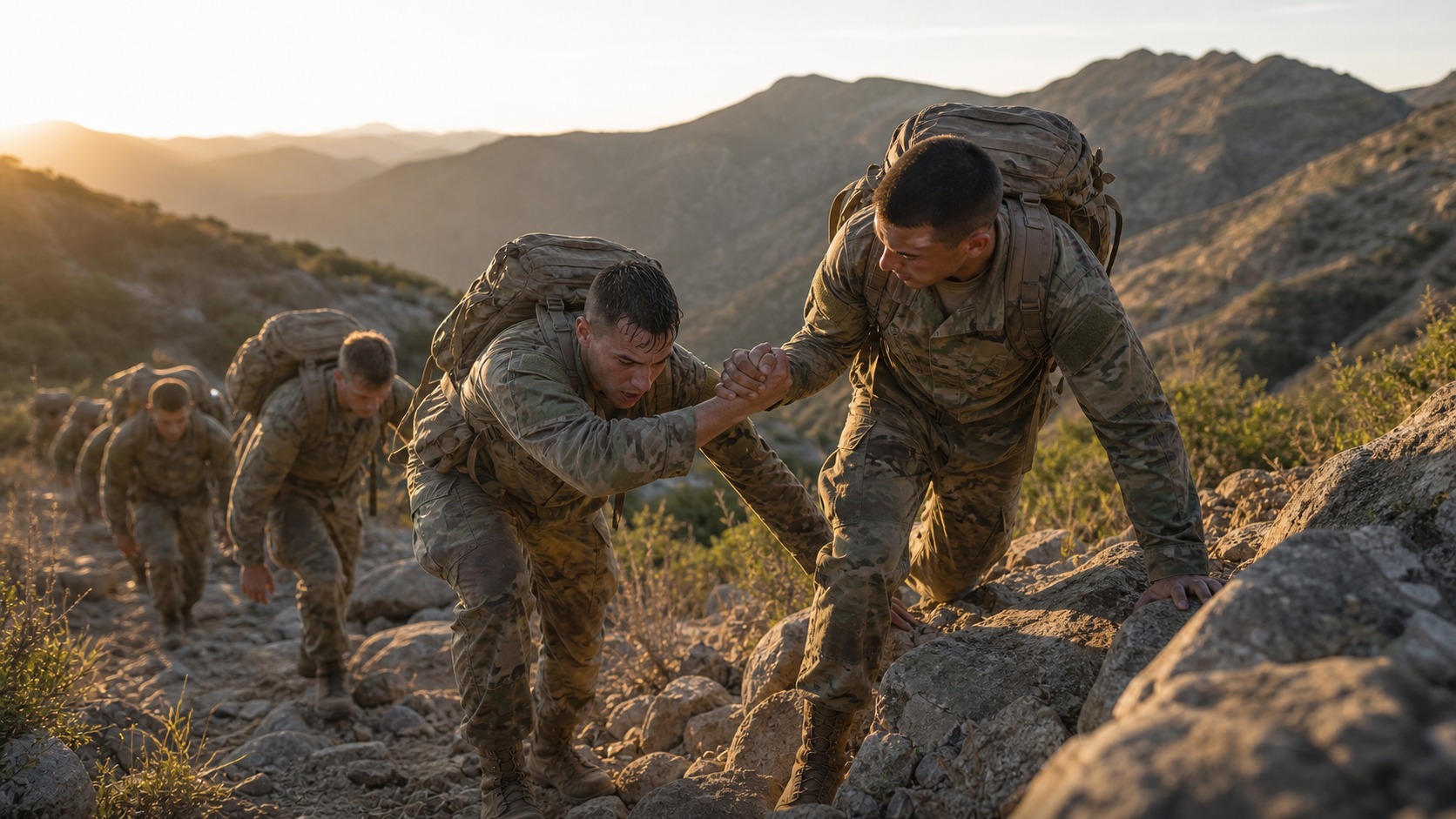
The main parts include fitness, sleep discipline, nutrition, marksmanship education, first-aid awareness, field skills, equipment care, emotional resilience, and ethical understanding of lawful orders.
Modern Army readiness also includes Holistic Health and Fitness ideas: physical, mental, nutritional, spiritual, and sleep readiness all influence performance.
For How Soldiers Prepare for Combat: Training, Fitness, and Mindset, the the main parts to understand angle is strongest when it connects combat preparation to organization, training, logistics, and accountability. Defense topics are rarely explained by one impressive number, because the result depends on people, doctrine, maintenance, communications, and support systems working together.
In the the main parts to understand section, combat preparation also needs plain context. A capability can look powerful on paper while still depending on readiness, terrain, policy, command judgment, and the mission it is assigned to support.
The the main parts to understand view also helps separate public fascination from military reality. Readers get a clearer picture when combat preparation is tied to disciplined training, lawful authority, maintenance cycles, and the larger unit that turns an individual capability into useful defense power.
A strong explanation of the main parts to understand keeps the focus on judgment rather than spectacle. The useful questions are what the capability is for, who is responsible for it, what limits shape its use, and how it supports a mission without becoming the whole story.
How to Read the Claims
Claims about combat mindset should avoid turning preparation into bravado. Professional readiness is calmer than that. It is built through repetition, humility, correction, and confidence in the unit.
A safe public explanation can discuss preparation categories without offering tactical techniques or combat instructions.
For How Soldiers Prepare for Combat: Training, Fitness, and Mindset, the how to read the claims angle is strongest when it connects combat preparation to organization, training, logistics, and accountability. Defense topics are rarely explained by one impressive number, because the result depends on people, doctrine, maintenance, communications, and support systems working together.
In the how to read the claims section, combat preparation also needs plain context. A capability can look powerful on paper while still depending on readiness, terrain, policy, command judgment, and the mission it is assigned to support.
The how to read the claims view also helps separate public fascination from military reality. Readers get a clearer picture when combat preparation is tied to disciplined training, lawful authority, maintenance cycles, and the larger unit that turns an individual capability into useful defense power.
A strong explanation of how to read the claims keeps the focus on judgment rather than spectacle. The useful questions are what the capability is for, who is responsible for it, what limits shape its use, and how it supports a mission without becoming the whole story.
Where People Get Confused
A common confusion is thinking physical fitness alone equals combat readiness. Fitness matters, but judgment, communication, discipline, and equipment reliability matter too.
Another confusion is assuming fear disappears. Training does not erase fear; it helps soldiers keep functioning, communicate clearly, and rely on practiced habits.
For How Soldiers Prepare for Combat: Training, Fitness, and Mindset, the where people get confused angle is strongest when it connects combat preparation to organization, training, logistics, and accountability. Defense topics are rarely explained by one impressive number, because the result depends on people, doctrine, maintenance, communications, and support systems working together.
In the where people get confused section, combat preparation also needs plain context. A capability can look powerful on paper while still depending on readiness, terrain, policy, command judgment, and the mission it is assigned to support.
The where people get confused view also helps separate public fascination from military reality. Readers get a clearer picture when combat preparation is tied to disciplined training, lawful authority, maintenance cycles, and the larger unit that turns an individual capability into useful defense power.
A strong explanation of where people get confused keeps the focus on judgment rather than spectacle. The useful questions are what the capability is for, who is responsible for it, what limits shape its use, and how it supports a mission without becoming the whole story.
Real-World Context
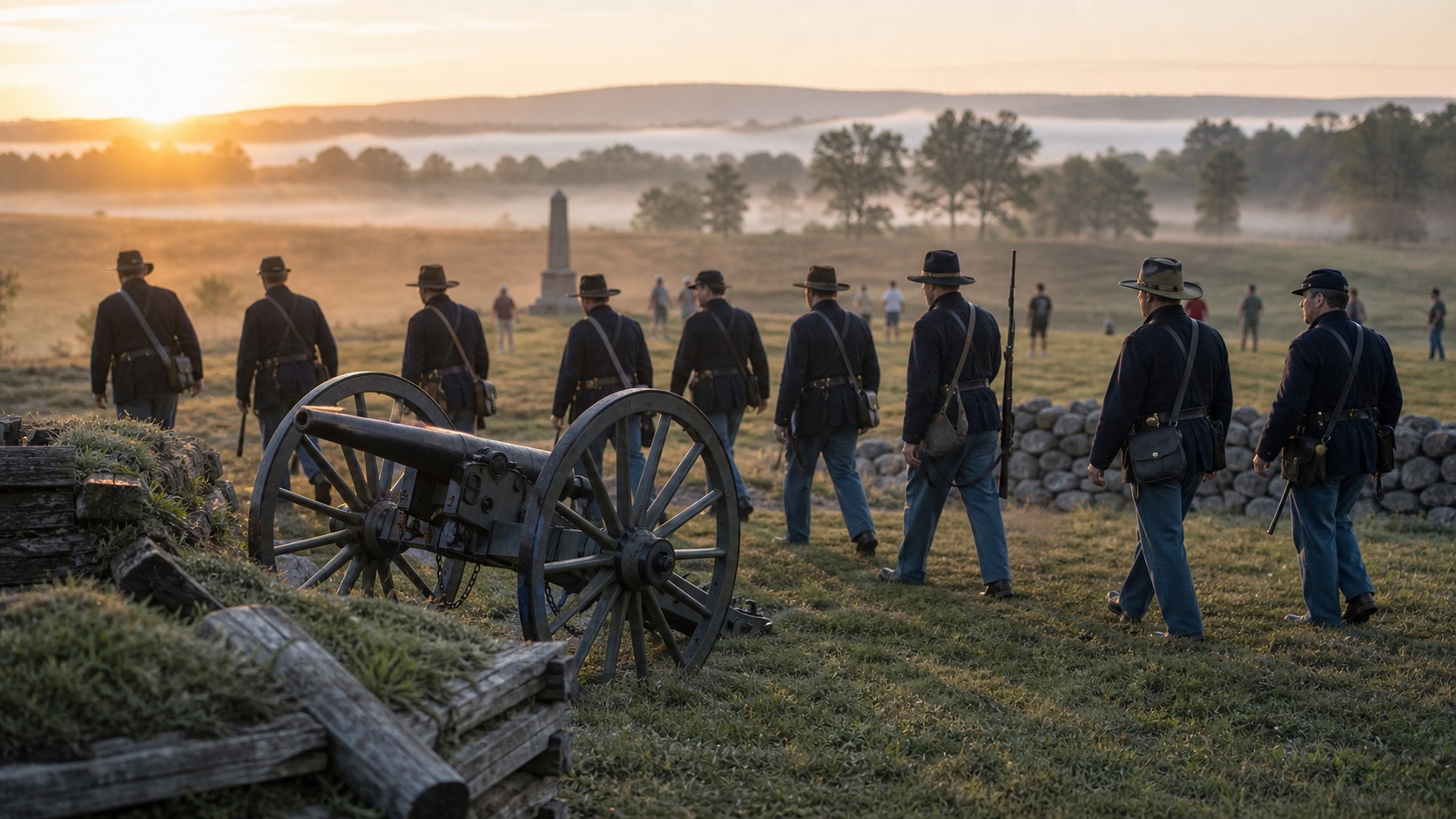
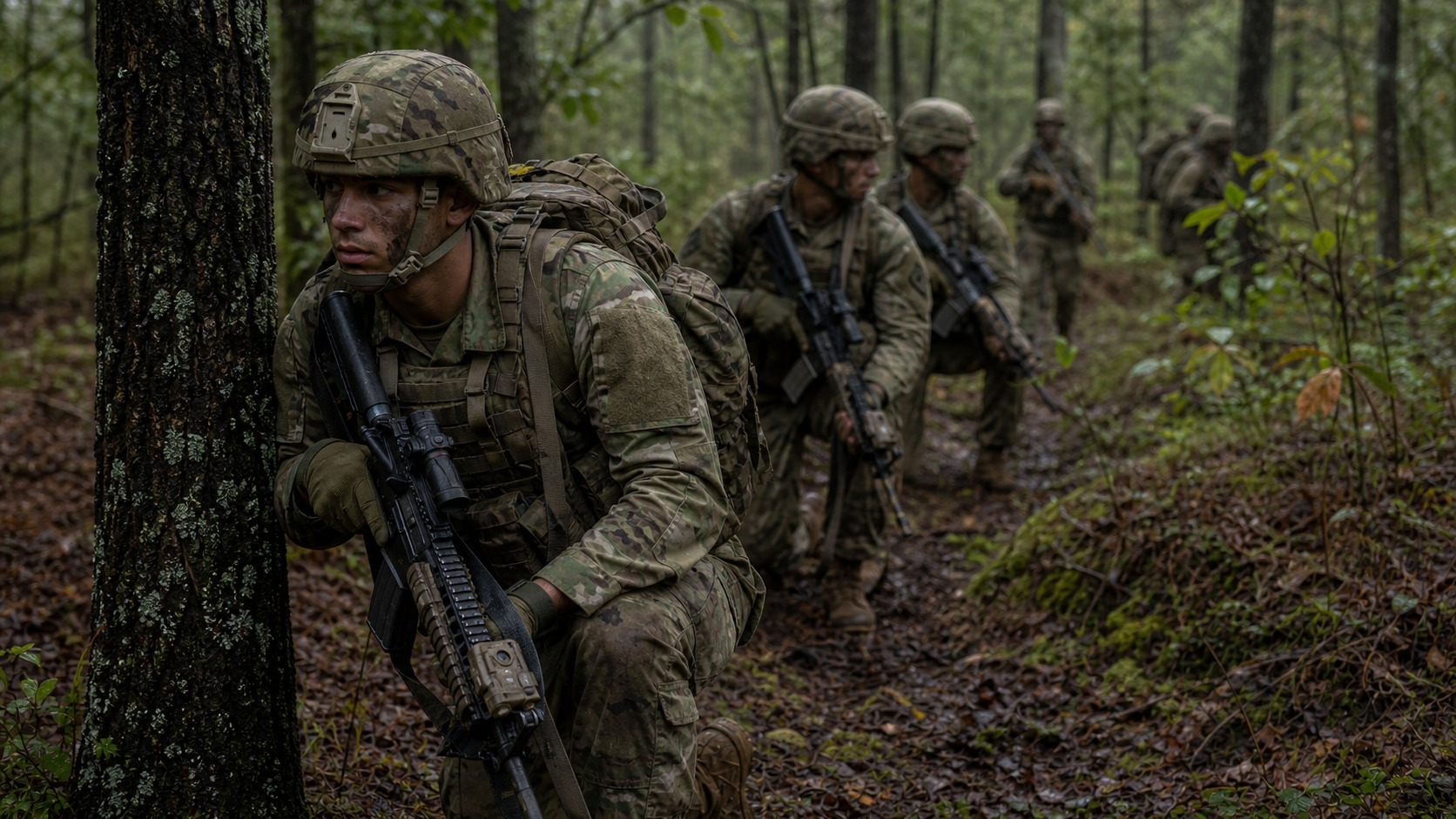
Army preparation begins in initial training and continues through unit exercises, field problems, professional education, and leader development. Readiness is maintained, not permanently achieved.
Different jobs prepare differently. Infantry, medics, aviators, mechanics, intelligence analysts, logisticians, and cyber soldiers face different tasks, but all need standards and resilience.
For How Soldiers Prepare for Combat: Training, Fitness, and Mindset, the real-world context angle is strongest when it connects combat preparation to organization, training, logistics, and accountability. Defense topics are rarely explained by one impressive number, because the result depends on people, doctrine, maintenance, communications, and support systems working together.
In the real-world context section, combat preparation also needs plain context. A capability can look powerful on paper while still depending on readiness, terrain, policy, command judgment, and the mission it is assigned to support.
The real-world context view also helps separate public fascination from military reality. Readers get a clearer picture when combat preparation is tied to disciplined training, lawful authority, maintenance cycles, and the larger unit that turns an individual capability into useful defense power.
A strong explanation of real-world context keeps the focus on judgment rather than spectacle. The useful questions are what the capability is for, who is responsible for it, what limits shape its use, and how it supports a mission without becoming the whole story.
Limits, Risks, and Tradeoffs
The limits include injury, fatigue, family stress, poor leadership, weak maintenance, unrealistic training, and information overload. Readiness requires support systems, not only individual toughness.
Preparation also has an ethical limit: soldiers train for lawful missions under command authority, not for uncontrolled violence or personal fantasy.
For How Soldiers Prepare for Combat: Training, Fitness, and Mindset, the limits, risks, and tradeoffs angle is strongest when it connects combat preparation to organization, training, logistics, and accountability. Defense topics are rarely explained by one impressive number, because the result depends on people, doctrine, maintenance, communications, and support systems working together.
In the limits, risks, and tradeoffs section, combat preparation also needs plain context. A capability can look powerful on paper while still depending on readiness, terrain, policy, command judgment, and the mission it is assigned to support.
The limits, risks, and tradeoffs view also helps separate public fascination from military reality. Readers get a clearer picture when combat preparation is tied to disciplined training, lawful authority, maintenance cycles, and the larger unit that turns an individual capability into useful defense power.
A strong explanation of limits, risks, and tradeoffs keeps the focus on judgment rather than spectacle. The useful questions are what the capability is for, who is responsible for it, what limits shape its use, and how it supports a mission without becoming the whole story.
How the Topic Is Changing
Soldier preparation is changing with wearable data, performance coaching, better mental health awareness, synthetic training, drones, and more complex information environments.
Future readiness will likely depend on soldiers who can stay fit, think clearly, learn technology quickly, and recover after intense events.
For How Soldiers Prepare for Combat: Training, Fitness, and Mindset, the how the topic is changing angle is strongest when it connects combat preparation to organization, training, logistics, and accountability. Defense topics are rarely explained by one impressive number, because the result depends on people, doctrine, maintenance, communications, and support systems working together.
In the how the topic is changing section, combat preparation also needs plain context. A capability can look powerful on paper while still depending on readiness, terrain, policy, command judgment, and the mission it is assigned to support.
The how the topic is changing view also helps separate public fascination from military reality. Readers get a clearer picture when combat preparation is tied to disciplined training, lawful authority, maintenance cycles, and the larger unit that turns an individual capability into useful defense power.
A strong explanation of how the topic is changing keeps the focus on judgment rather than spectacle. The useful questions are what the capability is for, who is responsible for it, what limits shape its use, and how it supports a mission without becoming the whole story.
A Clear Way to Remember It
A simple memory hook is body, skill, mind, team. Combat preparation requires physical readiness, practiced skills, mental steadiness, and trust inside the unit.
When reading about soldier preparation, ask whether the advice builds professional readiness or just sells a dramatic image.
For How Soldiers Prepare for Combat: Training, Fitness, and Mindset, the a clear way to remember it angle is strongest when it connects combat preparation to organization, training, logistics, and accountability. Defense topics are rarely explained by one impressive number, because the result depends on people, doctrine, maintenance, communications, and support systems working together.
In the a clear way to remember it section, combat preparation also needs plain context. A capability can look powerful on paper while still depending on readiness, terrain, policy, command judgment, and the mission it is assigned to support.
The a clear way to remember it view also helps separate public fascination from military reality. Readers get a clearer picture when combat preparation is tied to disciplined training, lawful authority, maintenance cycles, and the larger unit that turns an individual capability into useful defense power.
A strong explanation of a clear way to remember it keeps the focus on judgment rather than spectacle. The useful questions are what the capability is for, who is responsible for it, what limits shape its use, and how it supports a mission without becoming the whole story.
Bottom Line on Soldier Preparation
Soldiers prepare for combat through fitness, training, discipline, resilience, equipment care, and team trust. The strongest preparation is professional, lawful, repeated, and supported by the whole unit.