Inside Army Boot Camp: Week-by-Week Survival Guide deserves its own explanation because the details around recruit transformation, drill instruction, and daily discipline change how the subject works in practice. This Defense Street guide uses a training pipeline walkthrough so the topic feels concrete rather than generic.
What the Topic Really Means
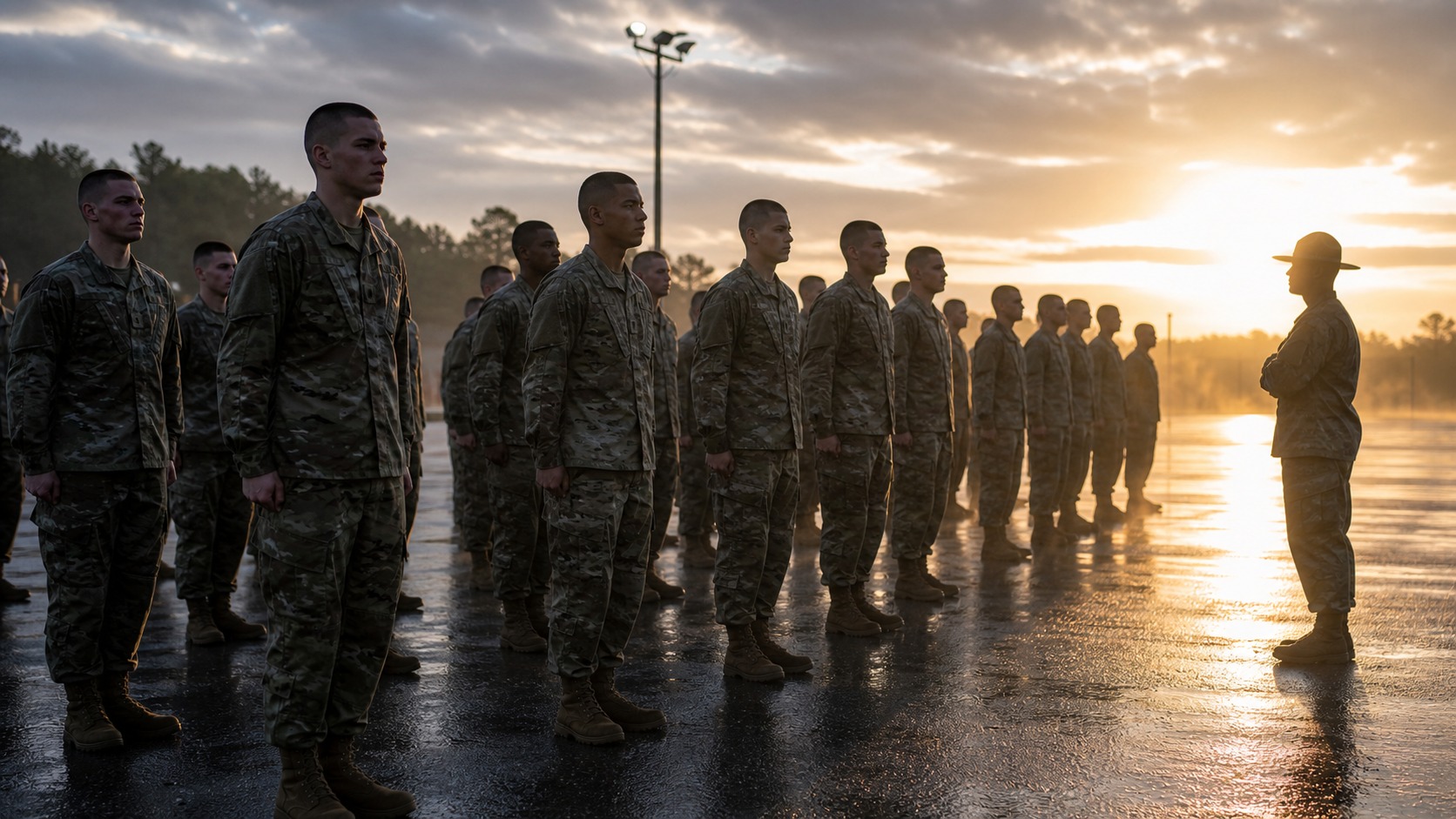
Army boot camp, formally Basic Combat Training, is the entry point where civilians begin becoming soldiers. It is designed to build discipline, physical readiness, teamwork, Army values, and basic soldier skills in a structured environment.
The phrase survival guide should not make the process sound like a trick. The better frame is preparation: arrive ready to listen, adapt, work with others, and understand that the structure is meant to create reliable habits under pressure.
For Inside Army Boot Camp: Week-by-Week Survival Guide, the what the topic really means angle is strongest when it connects basic training to organization, training, logistics, and accountability. Defense topics are rarely explained by one impressive number, because the result depends on people, doctrine, maintenance, communications, and support systems working together.
In the what the topic really means section, basic training also needs plain context. A capability can look powerful on paper while still depending on readiness, terrain, policy, command judgment, and the mission it is assigned to support.
The what the topic really means view also helps separate public fascination from military reality. Readers get a clearer picture when basic training is tied to disciplined training, lawful authority, maintenance cycles, and the larger unit that turns an individual capability into useful defense power.
A strong explanation of what the topic really means keeps the focus on judgment rather than spectacle. The useful questions are what the capability is for, who is responsible for it, what limits shape its use, and how it supports a mission without becoming the whole story.
Why It Matters in Defense
Basic training matters because the Army needs soldiers who can follow lawful orders, care for equipment, move as a team, manage stress, and understand the responsibilities that come with wearing the uniform.
It also gives recruits a shared baseline. People arrive with different backgrounds, fitness levels, and expectations, and the training cycle creates common standards before they move into more specialized instruction.
For Inside Army Boot Camp: Week-by-Week Survival Guide, the why it matters in defense angle is strongest when it connects basic training to organization, training, logistics, and accountability. Defense topics are rarely explained by one impressive number, because the result depends on people, doctrine, maintenance, communications, and support systems working together.
In the why it matters in defense section, basic training also needs plain context. A capability can look powerful on paper while still depending on readiness, terrain, policy, command judgment, and the mission it is assigned to support.
The why it matters in defense view also helps separate public fascination from military reality. Readers get a clearer picture when basic training is tied to disciplined training, lawful authority, maintenance cycles, and the larger unit that turns an individual capability into useful defense power.
A strong explanation of why it matters in defense keeps the focus on judgment rather than spectacle. The useful questions are what the capability is for, who is responsible for it, what limits shape its use, and how it supports a mission without becoming the whole story.
The Main Parts to Understand
The main parts include reception, physical training, drill and ceremony, classroom instruction, field skills, marksmanship education, first aid awareness, teamwork events, inspections, and values-based leadership expectations.
The exact schedule can vary by installation and Army needs, but public Army descriptions commonly frame Basic Combat Training as a disciplined multiweek process rather than a single test or event.
For Inside Army Boot Camp: Week-by-Week Survival Guide, the the main parts to understand angle is strongest when it connects basic training to organization, training, logistics, and accountability. Defense topics are rarely explained by one impressive number, because the result depends on people, doctrine, maintenance, communications, and support systems working together.
In the the main parts to understand section, basic training also needs plain context. A capability can look powerful on paper while still depending on readiness, terrain, policy, command judgment, and the mission it is assigned to support.
The the main parts to understand view also helps separate public fascination from military reality. Readers get a clearer picture when basic training is tied to disciplined training, lawful authority, maintenance cycles, and the larger unit that turns an individual capability into useful defense power.
A strong explanation of the main parts to understand keeps the focus on judgment rather than spectacle. The useful questions are what the capability is for, who is responsible for it, what limits shape its use, and how it supports a mission without becoming the whole story.
How to Read the Claims
Claims about boot camp should be read carefully because online stories often exaggerate hardship or focus only on yelling, stress, and failure. Those moments may exist, but they are not the whole purpose of training.
The useful explanation is what recruits are learning and why the Army uses repetition, standards, accountability, and team pressure to build habits.
For Inside Army Boot Camp: Week-by-Week Survival Guide, the how to read the claims angle is strongest when it connects basic training to organization, training, logistics, and accountability. Defense topics are rarely explained by one impressive number, because the result depends on people, doctrine, maintenance, communications, and support systems working together.
In the how to read the claims section, basic training also needs plain context. A capability can look powerful on paper while still depending on readiness, terrain, policy, command judgment, and the mission it is assigned to support.
The how to read the claims view also helps separate public fascination from military reality. Readers get a clearer picture when basic training is tied to disciplined training, lawful authority, maintenance cycles, and the larger unit that turns an individual capability into useful defense power.
A strong explanation of how to read the claims keeps the focus on judgment rather than spectacle. The useful questions are what the capability is for, who is responsible for it, what limits shape its use, and how it supports a mission without becoming the whole story.
Where People Get Confused
A common confusion is thinking basic training is only physical. Fitness matters, but attitude, attention to detail, respect for standards, communication, and resilience are just as important.
Another confusion is thinking recruits are expected to arrive already fully formed. The Army expects preparation, but the training is built to teach and reinforce the basics.
For Inside Army Boot Camp: Week-by-Week Survival Guide, the where people get confused angle is strongest when it connects basic training to organization, training, logistics, and accountability. Defense topics are rarely explained by one impressive number, because the result depends on people, doctrine, maintenance, communications, and support systems working together.
In the where people get confused section, basic training also needs plain context. A capability can look powerful on paper while still depending on readiness, terrain, policy, command judgment, and the mission it is assigned to support.
The where people get confused view also helps separate public fascination from military reality. Readers get a clearer picture when basic training is tied to disciplined training, lawful authority, maintenance cycles, and the larger unit that turns an individual capability into useful defense power.
A strong explanation of where people get confused keeps the focus on judgment rather than spectacle. The useful questions are what the capability is for, who is responsible for it, what limits shape its use, and how it supports a mission without becoming the whole story.
Real-World Context
Basic training has changed over time as the Army updates fitness expectations, gender-integrated training, instruction methods, and readiness priorities. The core idea remains transforming recruits into soldiers who can continue learning.
Families often see only short messages or graduation events, but the recruit experiences a daily routine designed around structure, correction, teamwork, and progressive responsibility.
For Inside Army Boot Camp: Week-by-Week Survival Guide, the real-world context angle is strongest when it connects basic training to organization, training, logistics, and accountability. Defense topics are rarely explained by one impressive number, because the result depends on people, doctrine, maintenance, communications, and support systems working together.
In the real-world context section, basic training also needs plain context. A capability can look powerful on paper while still depending on readiness, terrain, policy, command judgment, and the mission it is assigned to support.
The real-world context view also helps separate public fascination from military reality. Readers get a clearer picture when basic training is tied to disciplined training, lawful authority, maintenance cycles, and the larger unit that turns an individual capability into useful defense power.
A strong explanation of real-world context keeps the focus on judgment rather than spectacle. The useful questions are what the capability is for, who is responsible for it, what limits shape its use, and how it supports a mission without becoming the whole story.
Limits, Risks, and Tradeoffs
The limits are personal and practical. Injuries, homesickness, poor preparation, weak sleep habits, and difficulty accepting correction can make the experience harder than the schedule alone suggests.
There are no reliable shortcuts. Recruits need official guidance from recruiters and training commands, especially for current packing lists, medical requirements, fitness standards, and administrative details.
For Inside Army Boot Camp: Week-by-Week Survival Guide, the limits, risks, and tradeoffs angle is strongest when it connects basic training to organization, training, logistics, and accountability. Defense topics are rarely explained by one impressive number, because the result depends on people, doctrine, maintenance, communications, and support systems working together.
In the limits, risks, and tradeoffs section, basic training also needs plain context. A capability can look powerful on paper while still depending on readiness, terrain, policy, command judgment, and the mission it is assigned to support.
The limits, risks, and tradeoffs view also helps separate public fascination from military reality. Readers get a clearer picture when basic training is tied to disciplined training, lawful authority, maintenance cycles, and the larger unit that turns an individual capability into useful defense power.
A strong explanation of limits, risks, and tradeoffs keeps the focus on judgment rather than spectacle. The useful questions are what the capability is for, who is responsible for it, what limits shape its use, and how it supports a mission without becoming the whole story.
How the Topic Is Changing
Basic training keeps adapting to modern recruiting populations, technology, fitness research, and lessons from operational units. Training commands adjust how they teach discipline, readiness, and warrior tasks for current Army needs.
Future changes may place more emphasis on mental resilience, digital awareness, sensor-rich battlefields, and the ability to keep learning after graduation.
For Inside Army Boot Camp: Week-by-Week Survival Guide, the how the topic is changing angle is strongest when it connects basic training to organization, training, logistics, and accountability. Defense topics are rarely explained by one impressive number, because the result depends on people, doctrine, maintenance, communications, and support systems working together.
In the how the topic is changing section, basic training also needs plain context. A capability can look powerful on paper while still depending on readiness, terrain, policy, command judgment, and the mission it is assigned to support.
The how the topic is changing view also helps separate public fascination from military reality. Readers get a clearer picture when basic training is tied to disciplined training, lawful authority, maintenance cycles, and the larger unit that turns an individual capability into useful defense power.
A strong explanation of how the topic is changing keeps the focus on judgment rather than spectacle. The useful questions are what the capability is for, who is responsible for it, what limits shape its use, and how it supports a mission without becoming the whole story.
A Clear Way to Remember It
A simple memory hook is discipline, teamwork, basics, resilience. Basic training is not about one dramatic week; it is about repeated standards that build soldier habits.
When reading about boot camp, ask what the training is trying to produce: a recruit who can function in a unit, follow standards, and continue into advanced instruction.
For Inside Army Boot Camp: Week-by-Week Survival Guide, the a clear way to remember it angle is strongest when it connects basic training to organization, training, logistics, and accountability. Defense topics are rarely explained by one impressive number, because the result depends on people, doctrine, maintenance, communications, and support systems working together.
In the a clear way to remember it section, basic training also needs plain context. A capability can look powerful on paper while still depending on readiness, terrain, policy, command judgment, and the mission it is assigned to support.
The a clear way to remember it view also helps separate public fascination from military reality. Readers get a clearer picture when basic training is tied to disciplined training, lawful authority, maintenance cycles, and the larger unit that turns an individual capability into useful defense power.
A strong explanation of a clear way to remember it keeps the focus on judgment rather than spectacle. The useful questions are what the capability is for, who is responsible for it, what limits shape its use, and how it supports a mission without becoming the whole story.
Bottom Line on Army Boot Camp
Army boot camp is a structured transformation process. The best way to understand it is as disciplined preparation for soldier life, not as a collection of scare stories or shortcuts.