
Why Army Veterans Are in High Demand in Civilian Careers is not just another broad Army phrase. It involves transferable skills, technical training, and mission focus, which means readers need a plain-language look at what actually happens before, during, and after the mission.
What the Topic Really Means
Army veterans can be attractive to civilian employers because military service often develops discipline, leadership, teamwork, reliability, technical training, safety awareness, and experience working under pressure.
That does not mean every transition is automatic. Civilian career success depends on translating military experience into language employers understand, earning needed credentials, networking, and adapting to a different workplace culture.
For Why Army Veterans Are in High Demand in Civilian Careers, the what the topic really means angle is strongest when it connects veteran career skills to organization, training, logistics, and accountability. Defense topics are rarely explained by one impressive number, because the result depends on people, doctrine, maintenance, communications, and support systems working together.
In the what the topic really means section, veteran career skills also needs plain context. A capability can look powerful on paper while still depending on readiness, terrain, policy, command judgment, and the mission it is assigned to support.
The what the topic really means view also helps separate public fascination from military reality. Readers get a clearer picture when veteran career skills is tied to disciplined training, lawful authority, maintenance cycles, and the larger unit that turns an individual capability into useful defense power.
A strong explanation of what the topic really means keeps the focus on judgment rather than spectacle. The useful questions are what the capability is for, who is responsible for it, what limits shape its use, and how it supports a mission without becoming the whole story.
Why It Matters in Defense
Veteran hiring matters because the Army produces people who have managed responsibility early, worked across diverse teams, learned structured problem-solving, and operated within standards.
It also matters because transition can be stressful. Soldiers leaving service may need help turning ranks, duties, deployments, and military specialties into resumes, interviews, licenses, and civilian career plans.
For Why Army Veterans Are in High Demand in Civilian Careers, the why it matters in defense angle is strongest when it connects veteran career skills to organization, training, logistics, and accountability. Defense topics are rarely explained by one impressive number, because the result depends on people, doctrine, maintenance, communications, and support systems working together.
In the why it matters in defense section, veteran career skills also needs plain context. A capability can look powerful on paper while still depending on readiness, terrain, policy, command judgment, and the mission it is assigned to support.
The why it matters in defense view also helps separate public fascination from military reality. Readers get a clearer picture when veteran career skills is tied to disciplined training, lawful authority, maintenance cycles, and the larger unit that turns an individual capability into useful defense power.
A strong explanation of why it matters in defense keeps the focus on judgment rather than spectacle. The useful questions are what the capability is for, who is responsible for it, what limits shape its use, and how it supports a mission without becoming the whole story.
The Main Parts to Understand
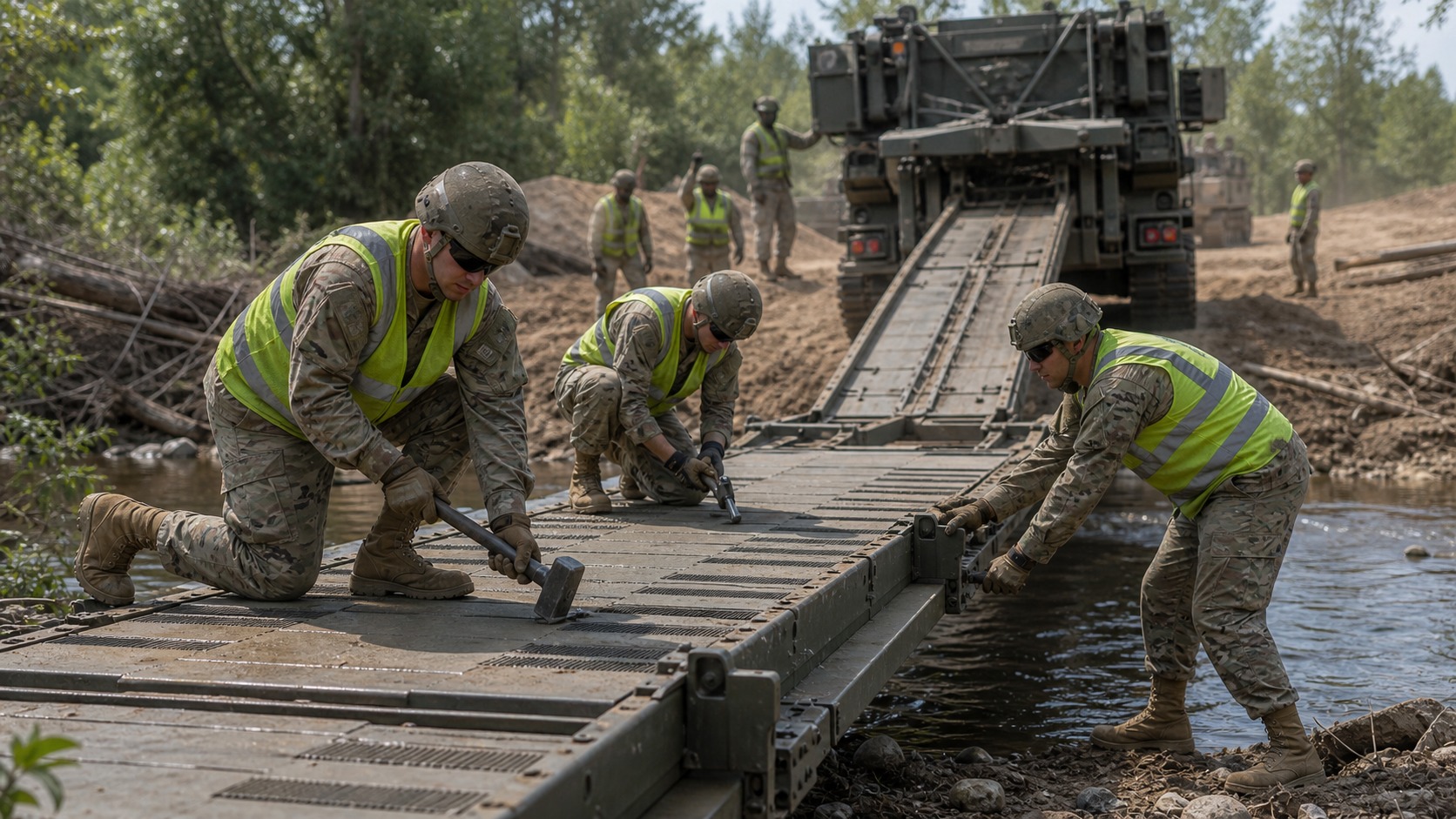
The main transferable skills include leadership, logistics, maintenance, medical support, cyber, communications, project coordination, training, risk management, operations, and accountability for people or equipment.
Civilian transition resources can include the Transition Assistance Program, credentialing support, education benefits, apprenticeships, veteran hiring initiatives, and employer programs designed to understand military experience.
For Why Army Veterans Are in High Demand in Civilian Careers, the the main parts to understand angle is strongest when it connects veteran career skills to organization, training, logistics, and accountability. Defense topics are rarely explained by one impressive number, because the result depends on people, doctrine, maintenance, communications, and support systems working together.
In the the main parts to understand section, veteran career skills also needs plain context. A capability can look powerful on paper while still depending on readiness, terrain, policy, command judgment, and the mission it is assigned to support.
The the main parts to understand view also helps separate public fascination from military reality. Readers get a clearer picture when veteran career skills is tied to disciplined training, lawful authority, maintenance cycles, and the larger unit that turns an individual capability into useful defense power.
A strong explanation of the main parts to understand keeps the focus on judgment rather than spectacle. The useful questions are what the capability is for, who is responsible for it, what limits shape its use, and how it supports a mission without becoming the whole story.
How to Read the Claims
Claims that veterans are automatically job-ready for every career are too simple. Employers still need role fit, current skills, certifications, communication, and cultural adjustment.
Claims that military experience is hard to use are also too simple. The challenge is translation: explaining responsibility, scope, results, and technical experience in terms the civilian employer values.
For Why Army Veterans Are in High Demand in Civilian Careers, the how to read the claims angle is strongest when it connects veteran career skills to organization, training, logistics, and accountability. Defense topics are rarely explained by one impressive number, because the result depends on people, doctrine, maintenance, communications, and support systems working together.
In the how to read the claims section, veteran career skills also needs plain context. A capability can look powerful on paper while still depending on readiness, terrain, policy, command judgment, and the mission it is assigned to support.
The how to read the claims view also helps separate public fascination from military reality. Readers get a clearer picture when veteran career skills is tied to disciplined training, lawful authority, maintenance cycles, and the larger unit that turns an individual capability into useful defense power.
A strong explanation of how to read the claims keeps the focus on judgment rather than spectacle. The useful questions are what the capability is for, who is responsible for it, what limits shape its use, and how it supports a mission without becoming the whole story.
Where People Get Confused
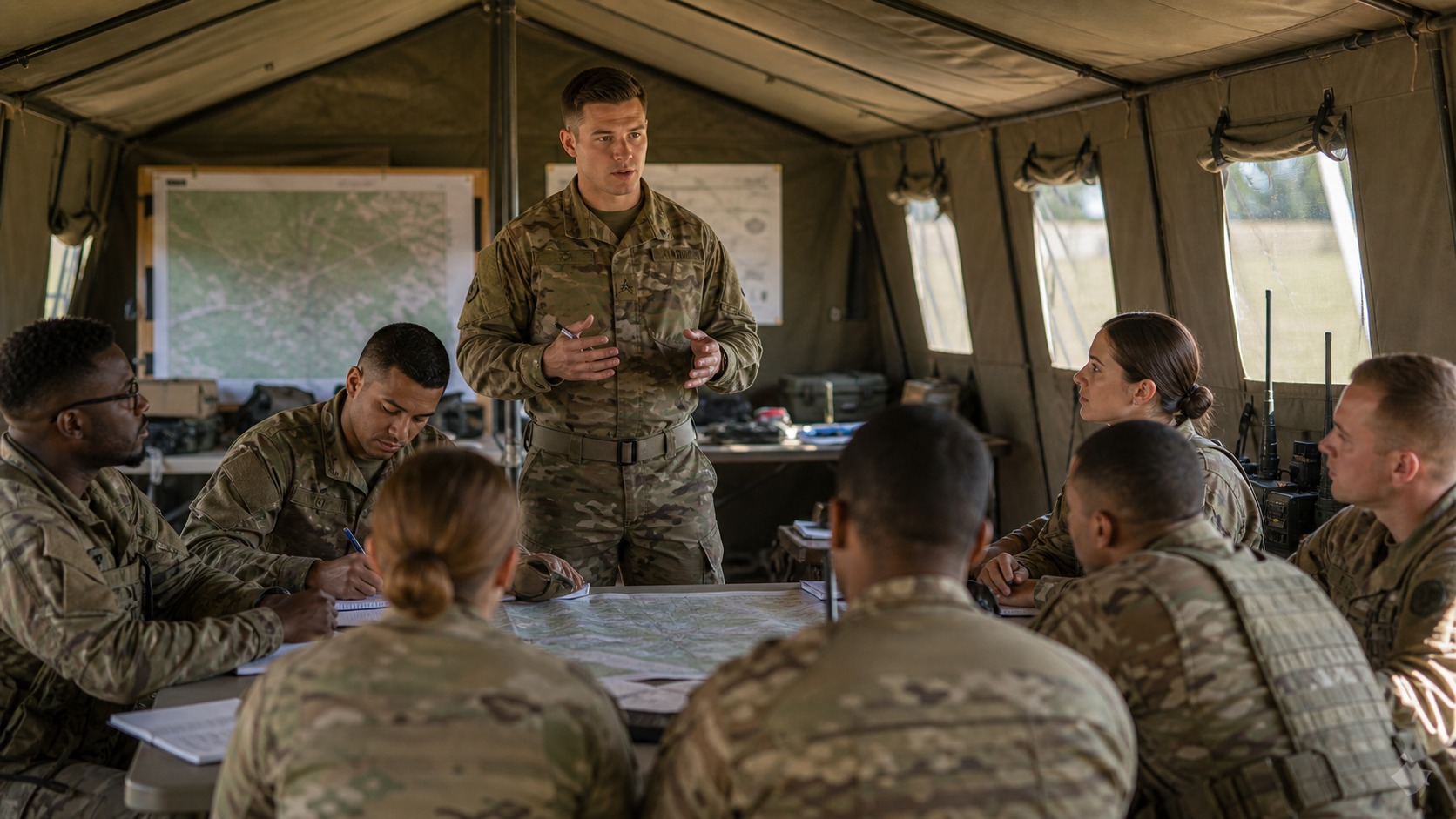
One confusion is assuming every veteran has combat experience. Many Army veterans served in logistics, administration, healthcare, engineering, intelligence, cyber, aviation support, training, and other roles.
Another confusion is treating military rank as the only measure of leadership. Junior soldiers may have handled equipment, safety, training, and team responsibility that matters in civilian work.
For Why Army Veterans Are in High Demand in Civilian Careers, the where people get confused angle is strongest when it connects veteran career skills to organization, training, logistics, and accountability. Defense topics are rarely explained by one impressive number, because the result depends on people, doctrine, maintenance, communications, and support systems working together.
In the where people get confused section, veteran career skills also needs plain context. A capability can look powerful on paper while still depending on readiness, terrain, policy, command judgment, and the mission it is assigned to support.
The where people get confused view also helps separate public fascination from military reality. Readers get a clearer picture when veteran career skills is tied to disciplined training, lawful authority, maintenance cycles, and the larger unit that turns an individual capability into useful defense power.
A strong explanation of where people get confused keeps the focus on judgment rather than spectacle. The useful questions are what the capability is for, who is responsible for it, what limits shape its use, and how it supports a mission without becoming the whole story.
Real-World Context
The Army and federal agencies support transition through formal programs because leaving service is a major career shift. The goal is to help service members plan before separation rather than after they are already searching.
Employers often value veterans when they understand the military context. A squad leader, mechanic, medic, supply specialist, or signal soldier may bring practical experience that does not fit neatly into civilian job titles.
For Why Army Veterans Are in High Demand in Civilian Careers, the real-world context angle is strongest when it connects veteran career skills to organization, training, logistics, and accountability. Defense topics are rarely explained by one impressive number, because the result depends on people, doctrine, maintenance, communications, and support systems working together.
In the real-world context section, veteran career skills also needs plain context. A capability can look powerful on paper while still depending on readiness, terrain, policy, command judgment, and the mission it is assigned to support.
The real-world context view also helps separate public fascination from military reality. Readers get a clearer picture when veteran career skills is tied to disciplined training, lawful authority, maintenance cycles, and the larger unit that turns an individual capability into useful defense power.
A strong explanation of real-world context keeps the focus on judgment rather than spectacle. The useful questions are what the capability is for, who is responsible for it, what limits shape its use, and how it supports a mission without becoming the whole story.
Limits, Risks, and Tradeoffs
The limits include credential gaps, licensing requirements, relocation, disability, family adjustment, networking barriers, and difficulty translating military language.
Veterans may also need time to shift from a command-driven structure to a workplace where influence, negotiation, and self-directed career management work differently.
For Why Army Veterans Are in High Demand in Civilian Careers, the limits, risks, and tradeoffs angle is strongest when it connects veteran career skills to organization, training, logistics, and accountability. Defense topics are rarely explained by one impressive number, because the result depends on people, doctrine, maintenance, communications, and support systems working together.
In the limits, risks, and tradeoffs section, veteran career skills also needs plain context. A capability can look powerful on paper while still depending on readiness, terrain, policy, command judgment, and the mission it is assigned to support.
The limits, risks, and tradeoffs view also helps separate public fascination from military reality. Readers get a clearer picture when veteran career skills is tied to disciplined training, lawful authority, maintenance cycles, and the larger unit that turns an individual capability into useful defense power.
A strong explanation of limits, risks, and tradeoffs keeps the focus on judgment rather than spectacle. The useful questions are what the capability is for, who is responsible for it, what limits shape its use, and how it supports a mission without becoming the whole story.
How the Topic Is Changing
Veteran career paths are changing as more employers look for cyber skills, logistics experience, leadership maturity, healthcare support, data literacy, and operations discipline.
Remote work, credentialing programs, skill-bridge style internships, and targeted veteran hiring pipelines may make transition smoother when they are used early and realistically.
For Why Army Veterans Are in High Demand in Civilian Careers, the how the topic is changing angle is strongest when it connects veteran career skills to organization, training, logistics, and accountability. Defense topics are rarely explained by one impressive number, because the result depends on people, doctrine, maintenance, communications, and support systems working together.
In the how the topic is changing section, veteran career skills also needs plain context. A capability can look powerful on paper while still depending on readiness, terrain, policy, command judgment, and the mission it is assigned to support.
The how the topic is changing view also helps separate public fascination from military reality. Readers get a clearer picture when veteran career skills is tied to disciplined training, lawful authority, maintenance cycles, and the larger unit that turns an individual capability into useful defense power.
A strong explanation of how the topic is changing keeps the focus on judgment rather than spectacle. The useful questions are what the capability is for, who is responsible for it, what limits shape its use, and how it supports a mission without becoming the whole story.
A Clear Way to Remember It
A simple memory hook is translate, credential, network, adapt. Veterans often have strong experience, but civilian success depends on converting that experience into employer-ready terms.
When reading about veteran careers, ask which skills transfer directly, which require certification, and which need a better civilian explanation.
For Why Army Veterans Are in High Demand in Civilian Careers, the a clear way to remember it angle is strongest when it connects veteran career skills to organization, training, logistics, and accountability. Defense topics are rarely explained by one impressive number, because the result depends on people, doctrine, maintenance, communications, and support systems working together.
In the a clear way to remember it section, veteran career skills also needs plain context. A capability can look powerful on paper while still depending on readiness, terrain, policy, command judgment, and the mission it is assigned to support.
The a clear way to remember it view also helps separate public fascination from military reality. Readers get a clearer picture when veteran career skills is tied to disciplined training, lawful authority, maintenance cycles, and the larger unit that turns an individual capability into useful defense power.
A strong explanation of a clear way to remember it keeps the focus on judgment rather than spectacle. The useful questions are what the capability is for, who is responsible for it, what limits shape its use, and how it supports a mission without becoming the whole story.
Bottom Line on Army Veterans in Civilian Careers
Army veterans are valued because service can build leadership, discipline, technical skill, and reliability. The best civilian outcomes happen when those strengths are translated clearly and paired with credentials, planning, and employer understanding.