Understand the Mission Before Reading the Regional Headline
A cargo aircraft dropping water near Mount Sinjar in 2014 and a warship protecting commercial traffic in the Red Sea in 2023 belonged to very different military efforts. Both help explain why Middle East operations matter beyond the location of a deployment. The region connects inhabited societies, energy exports, maritime routes, and political relationships through which local events can acquire distant consequences. Understanding that setting begins with identifying the task: protecting people, deterring an attack, conducting combat, supporting institutions, or moving essential assistance. This introduction uses named historical examples to separate those purposes before connecting them with geography and civilian life. It explains the enduring relationships behind operations rather than offering a current deployment list. A useful account keeps three things together throughout: what the force was asked to do, whose decisions made it possible, and what changed for the people or systems involved.
One Regional Label Covers Different Places
Kuwait’s coastal setting, Iraq’s cities and northern mountains, and the maritime corridor off Yemen create different military problems. The relevant distances, populations, infrastructure, and political authorities are not interchangeable. An operation aimed at moving aid to isolated people requires a different explanation from a campaign to expel an occupying army. Naming the country and the task makes the regional description useful.
It also keeps the region’s governments and communities visible as participants. A state can request a particular contribution, negotiate access, or decline an activity. Residents can experience the same deployment through safety, work, disrupted services, or displacement. Their role is part of the explanation, rather than background added after the foreign aircraft or ship has arrived.
Even one country’s name cannot supply the whole explanation. The Sinjar relief flights and NATO’s later institutional work both concerned Iraq, yet they addressed different people, requirements, and periods. Putting them under the same country heading is useful for organization, but comparing their results requires restoring those details. An urgent need for drinking water and a longer effort to prepare instructors have different milestones. One can be assessed through a delivered supply and immediate access; the other requires evidence about knowledge and institutional performance that persists after a course.
Protection, Deterrence, and Combat Ask Different Things of a Force
Protection seeks to reduce danger to people, facilities, or activity. Deterrence seeks to influence another actor’s decision before an unwanted action occurs. Combat applies force against an adversary. The purposes can overlap, but their tests differ. A protected vessel reaching its destination is an observable event; proving why an adversary refrained from an attack requires a more complicated assessment. Likewise, destroying a weapon demonstrates an immediate effect without establishing that a wider dispute has been settled. These distinctions become easier to understand through operations with different objectives, rather than through a single regional label attached to every military movement.
Kuwait in 1990–1991 Shows a Change From Defense to Combat
Iraq invaded Kuwait on August 2, 1990. The subsequent coalition effort first included Operation Desert Shield, associated with the buildup and defense of Saudi Arabia. Operation Desert Storm began in January 1991 and used air, maritime, and ground forces to expel Iraqi forces from Kuwait. Official U.S. histories distinguish these phases instead of presenting every month as one unchanging mission.
The difference explains how purpose can change the meaning of a deployment. Forces assembling for defense and deterrence still need transport, facilities, and support. A later combat phase requires those arrangements to sustain different activity. The equipment’s presence matters through the assigned objective and the decisions connecting the phases.
Coalition forces liberated Kuwait in February 1991. That is a concrete military and territorial outcome. It should be distinguished from a claim that the campaign resolved every regional security issue. The example gives readers a way to recognize a completed objective without asking one operation to stand for the whole subsequent history of Iraq, Kuwait, and their neighbors.
Sinjar’s Airdrops Addressed an Immediate Human Need
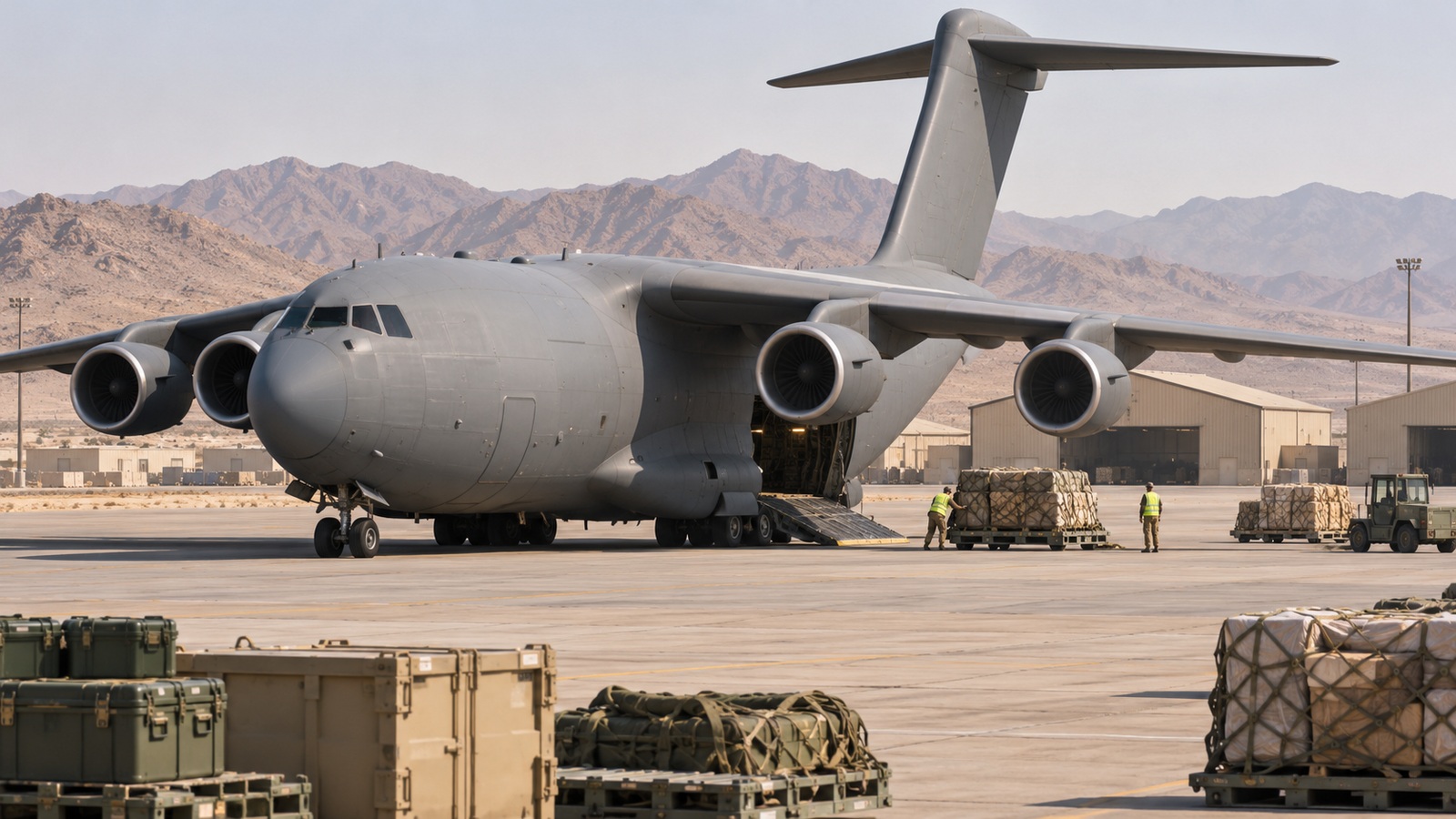
In August 2014, people fleeing the Islamic State’s advance were trapped around Mount Sinjar in northern Iraq. A U.S. Central Command release on August 11 described repeated food and water airdrops, coordinated with Iraq’s government. By that announcement, U.S. aircraft had delivered more than 85,000 meals and 20,000 gallons of drinking water. The supplies served an urgent purpose that was different from occupying ground or training a national institution.
The United Kingdom also reported aid drops over Mount Sinjar that August. These records show several organizations contributing within the same emergency. They also reveal the limit of a delivery total: it records material moved, while the continuing protection, movement, and recovery of displaced people involve further responsibilities. The airlift mattered because people needed food and water; its significance should remain connected with those needs.
Advisory Work Operates on an Institutional Timescale
NATO Mission Iraq offers another model. Launched following an Iraqi request in 2018, it was established as a non-combat advisory and capacity-building mission. NATO’s July 2018 backgrounder described advice to defense officials and training Iraqi instructors, including in maintenance and military medicine. The purpose concerned institutions able to continue their own work. A classroom session or a course delivered is therefore an intermediate activity. The more meaningful result is whether the receiving organization can use and sustain the capability. This example also shows why the country’s request and the mission’s particular responsibilities belong in the explanation of foreign military activity.
Red Sea Security Connects Operations With Commercial Decisions
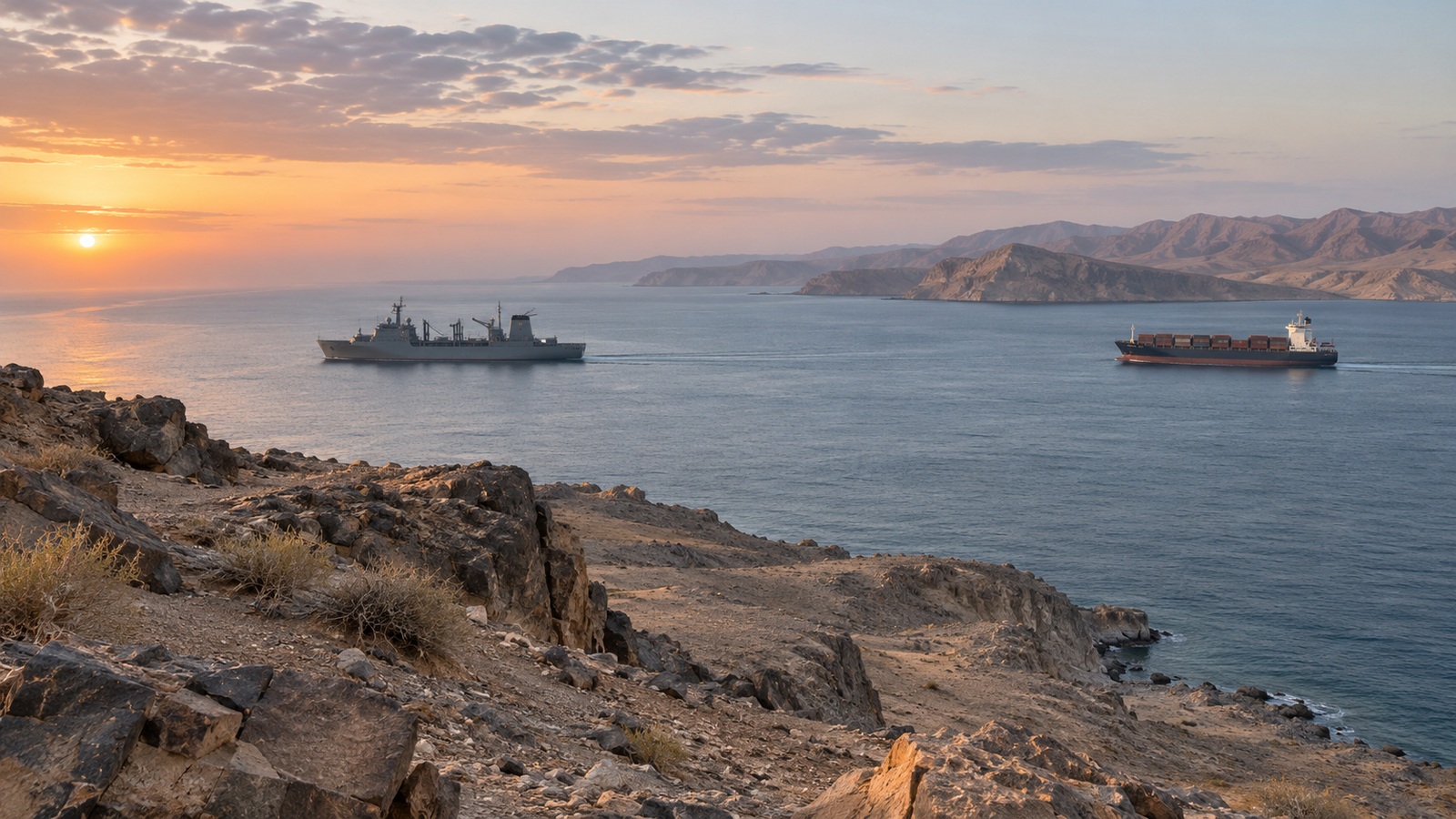
Operation Prosperity Guardian was announced in December 2023 after Houthi attacks on commercial shipping. A January 2024 briefing by the U.S. naval commander described an international effort patrolling the southern Red Sea and western Gulf of Aden to deter illegal activity and reassure maritime operators. The Royal Navy’s December announcement identified HMS Diamond’s assignment to the effort. These are dated accounts of a particular security initiative, rather than a description of the region’s current deployments.
The purpose was connected with a commercial system whose users retained decisions of their own. Protecting a ship or intercepting a threat could contribute to safer movement, while shipowners still had to consider crews, insurance, schedules, and the wider journey. A naval force could address a danger without independently deciding whether every commercial operator would use the route.
UN Trade and Development’s Review of Maritime Transport 2024 recorded the wider effect: attacks led vessels to avoid the Red Sea and Suez route and travel around the Cape of Good Hope. Longer routes increased transit time and operating costs. This supplies a concrete connection between regional insecurity and distant customers. The consequence can appear as a delayed delivery or transport expense far from the waters where the threat occurred.
Hormuz Shows Why a Small Passage Can Have Global Weight
The Strait of Hormuz connects the Persian Gulf with the Gulf of Oman and onward ocean routes. A June 2025 U.S. Energy Information Administration analysis estimated that oil flow through it averaged 20 million barrels per day in 2024, equivalent to about one-fifth of global petroleum liquids consumption. The year matters: this is a historical measure of the route’s concentration, not a current flow estimate.
Concentration makes disruption consequential without making every incident economically identical. Duration, available alternatives, inventories, and commercial expectations influence the effect. A risk can change behavior before every vessel stops. The useful strategic explanation follows the connection from export infrastructure through shipping and commercial response, rather than assuming that a narrow passage automatically produces a particular price outcome.
Physical Access Becomes Useful Through Political Relationships
The Iraqi request underlying NATO’s mission and the consultation preceding Desert Shield illustrate why outside capability cannot be understood through distance alone. A nearby aircraft needs permission and a suitable task; a facility requires an arrangement with the authorities responsible for it. Partnerships can support one activity without creating agreement on every policy. The important point is the specific decision being made: who requested help, what was agreed, and which responsibilities remained national. Treating a partner country only as a location on another government’s map would conceal the choices that made the operation possible.
Visible Equipment Depends on Less Visible Work
The historical examples involve several support problems. Desert Shield required a buildup before a major campaign. Sinjar’s airdrops needed aircraft, crews, supplies, and repeated coordination. Maritime protection involved ships that had to remain available over time. In each case, the public image captures only part of the organization delivering the task.
A transport aircraft must be maintained and supplied before it can deliver relief. An advisory program needs qualified people and a receiving institution able to continue the work. A ship’s arrival does not establish its entire future availability. These are different practical demands, so the appropriate explanation identifies the particular support relationship rather than adding the word logistics as a universal answer.
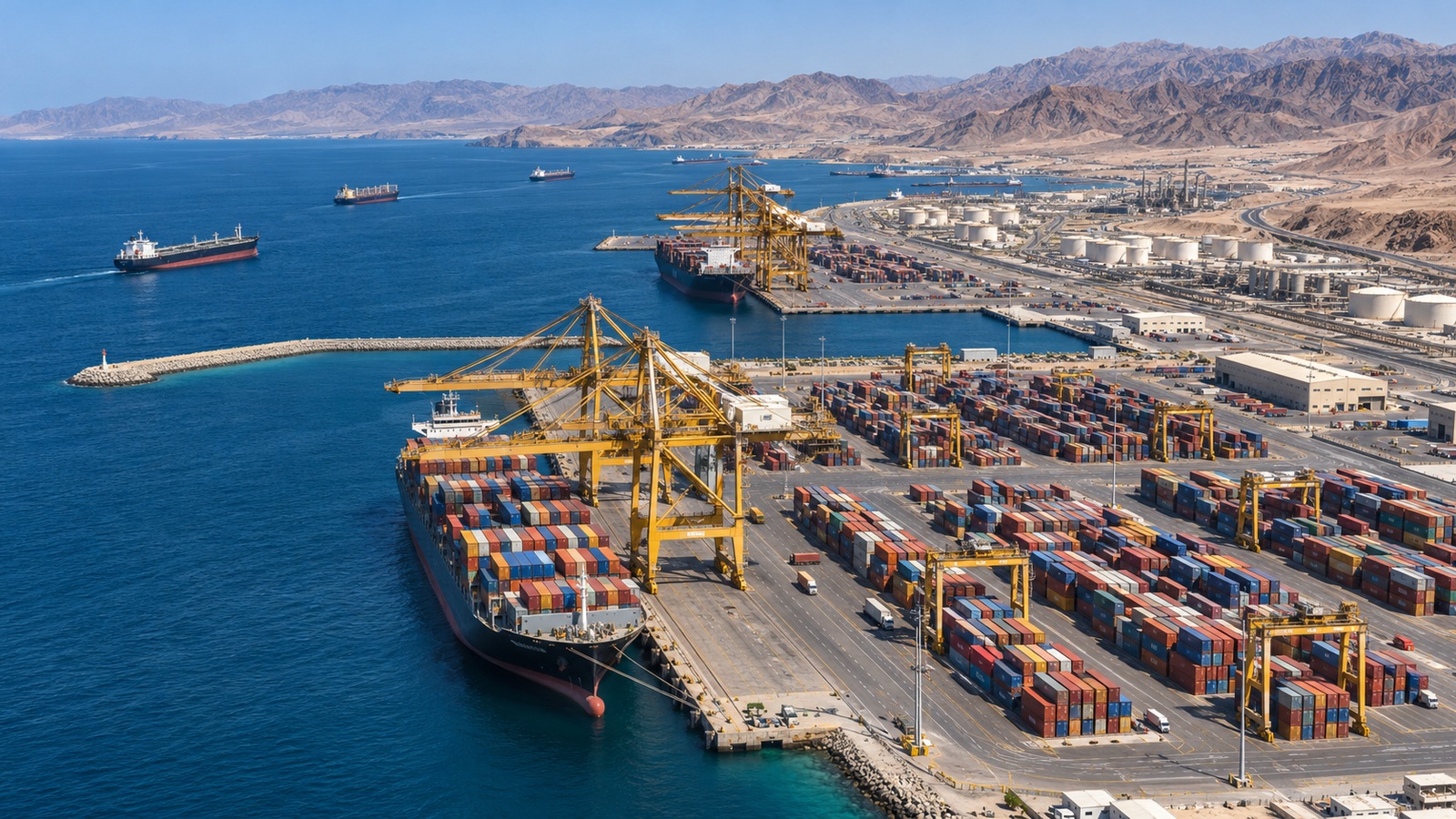
Support also helps connect military and civilian activity. Ports, transport firms, skilled workers, utilities, and public institutions can matter to the surrounding system. Their capacity and responsibilities should remain visible when a discussion concentrates on equipment counts. A force’s usefulness depends partly on whether those connections can continue functioning under the conditions of the assignment.
Civilian Services Reveal Consequences Beyond the Immediate Action
The ICRC’s study of urban services during prolonged conflict explains that essential services rely on people, infrastructure, and consumable supplies. A water system needs more than an intact building: it also needs skilled staff, power, and material required for continued operation. Damage or interruption can therefore spread beyond the immediate site and affect households elsewhere.
This is why civilian consequences belong in the main account of military operations. A reported action can have effects on treatment, water, mobility, employment, or the possibility of returning home. Those outcomes may develop on a different timescale from the action itself. The Sinjar example makes the distinction concrete: delivering emergency supplies addresses an immediate need without establishing that displacement or recovery has ended.
Judge Each Mission Against Its Own Purpose
The cases offer different questions for assessing results. Did the campaign achieve the territorial objective? Did assistance reach the threatened population? Could an Iraqi institution sustain what advisers helped develop? Did maritime measures improve the conditions under which shipping operated? Activity counts help describe the work, but the stated purpose determines which further evidence matters. Keeping that relationship clear makes room to recognize an achievement and an unresolved consequence in the same operation. It also prevents a broad claim of regional success or failure from hiding the difference among tasks.
The Region Matters Through Its Connections
Middle East military operations shape global security because they occur within connected societies and systems. Kuwait’s occupation produced a multinational combat response; Sinjar’s emergency brought military transport into humanitarian assistance; advisory work sought to strengthen Iraqi institutions; Red Sea insecurity altered commercial routes. Hormuz’s concentrated energy movement supplies another reason distant economies pay attention.
Understanding those connections gives aircraft, ships, and military announcements their context. Start with a named place and purpose, then follow the relationships that allow the task to be performed and the consequences that continue afterward. The region becomes easier to understand when its inhabitants and governments remain decision makers within that account. Global security is then more than a map of deployments: it includes whether people, institutions, and essential connections face less danger and can function more reliably over time.